
Reflections from a High-Level Event at the 34th Session of the ICCROM General Assembly
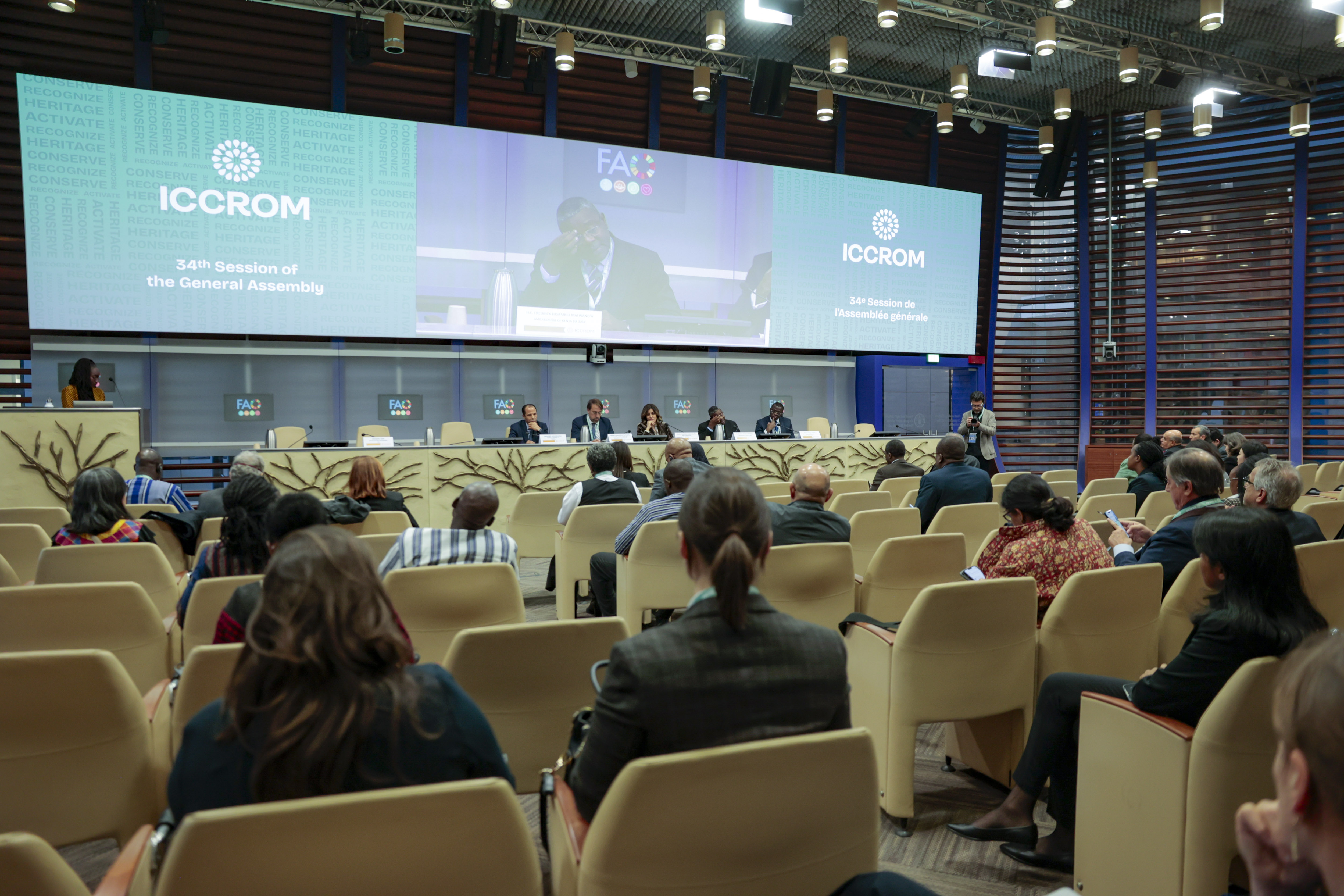
A high-level event held on the margins of the 34th session of the ICCROM General Assembly shone a spotlight on the vital role of traditional craftsmanship in Africa and the transformative potential of culture-driven capacity building for long-term development.
Traditional craftspeople remain a cornerstone of cultural identity across the continent and a source of meaningful livelihoods. Yet artisanal skills are increasingly at risk, even as heritage places urgently need trained craftspeople to ensure their conservation and continuity. Recognizing this, ICCROM and the Fabbrica di San Pietro of the Holy See – with the support of the Italian Ministry of Foreign Affairs and International Cooperation – officially launched the multi-year initiative “Towards Sustainable Development in Africa: Transformative Capacity Building to Advance Craftsmanship in Cultural Heritage Conservation.” The project will be implemented in Côte d’Ivoire, Egypt, Kenya and Tunisia.
Over the next three years, the programme will train new generations of artisans through a hands-on Training of Trainers model, creating a multiplier effect that expands technical skills, improves employability and opens sustainable economic opportunities for young people. By investing in craftspeople, the initiative aims to demonstrate how heritage can fuel social and economic growth – that protecting the past and shaping the future go hand in hand.
The Power of Investing in Youth
Ministers, senior officials, and partners gathered for the launch, emphasizing the urgency of revitalizing craftsmanship and investing in young artisans. Speakers underlined how culture can be a powerful driver of growth, youth empowerment and long-term community wellbeing.
Opening the event, ICCROM Director-General Ms. Aruna Francesca Maria Gujral underscored the urgency of investing in the next generation of artisans.
“Investing in youth has the power to generate and propel social and economic growth, especially when their talents are rooted in cultural heritage,” Director-General Gujral affirmed. “Traditional craftspeople are one of our most powerful drivers for sustaining identity, fostering social bonds, and driving sustainable development. When cultural heritage is placed in the hands of people, it sparks cohesion, pride, innovation, dialogue and renaissance – especially among young generations. By equipping young craftspeople with the skills, knowledge and opportunities they need, we are not only safeguarding heritage – we are building resilient, and better futures, unlocking transformative positive changes in the lives and livelihoods of the people we serve.”
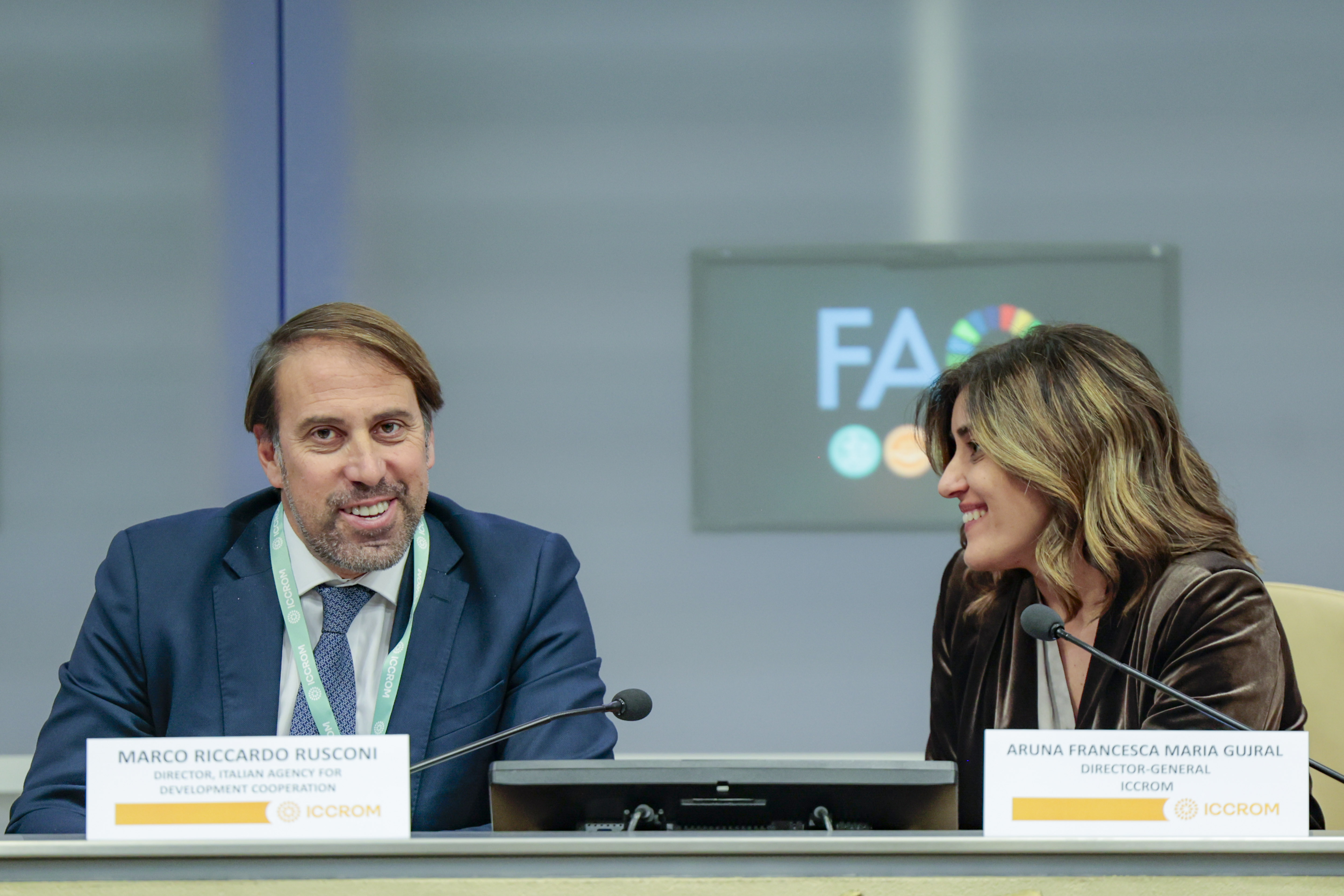
“This initiative strengthens the skills of artisans in Côte d’Ivoire, Egypt, Kenya, and Tunisia, bringing together the mastery of the Fabbrica di San Pietro, ICCROM’s expertise, and local knowledge. Training 540 artisans means revitalizing traditional crafts, creating opportunities for young people, and supporting economies rooted in cultural value. It is an approach fully aligned with the Mattei Plan, founded on equal partnerships and on placing human capital at the centre as a driver of sustainable development.” – Marco Riccardo Rusconi, Director of Italian Agency for Development Cooperation
Crafting Skills that Drive National Progress
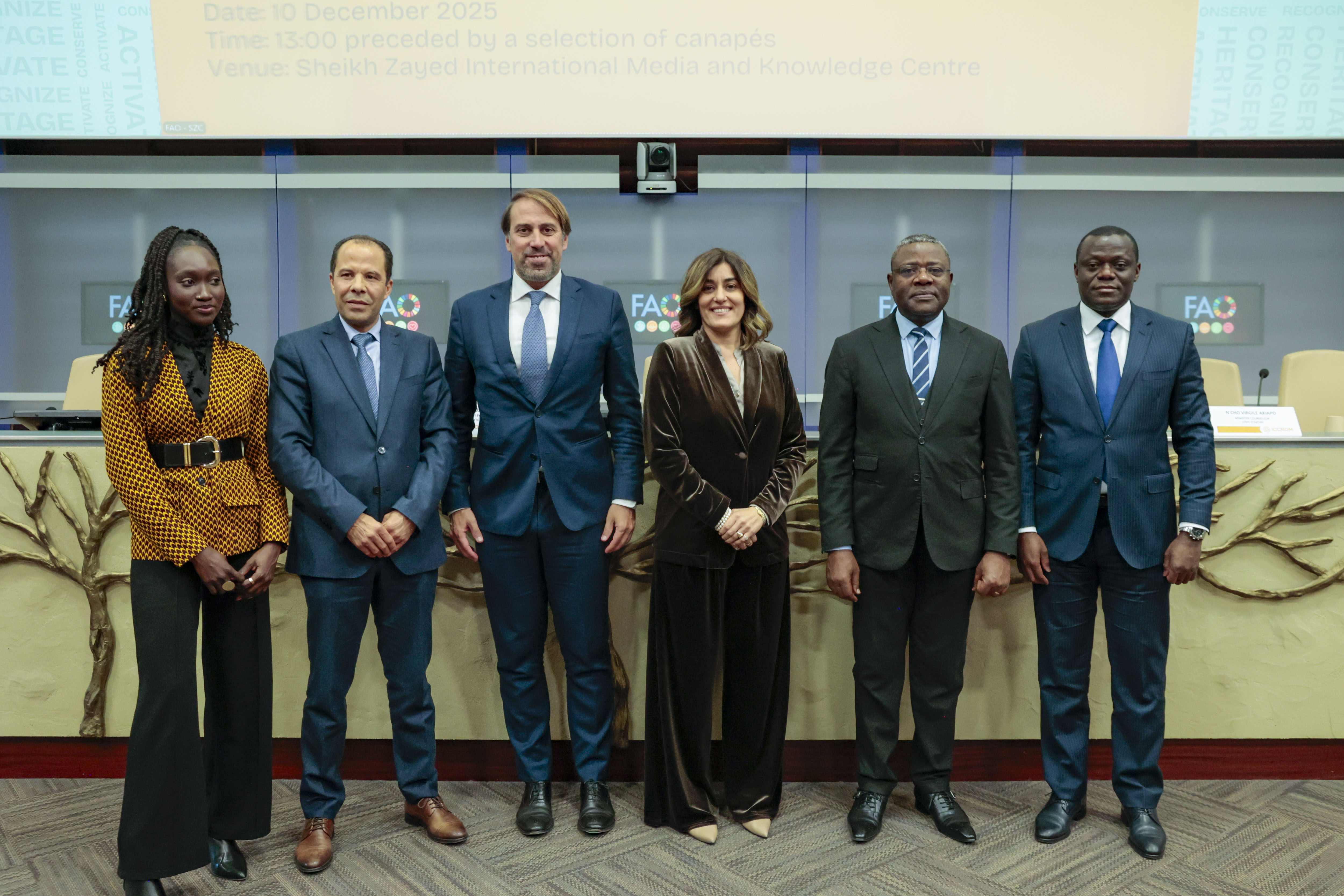
A panel discussion followed, exploring the intersection of craftsmanship, youth empowerment and heritage conservation. Speakers expressed their enthusiasm for the programme’s alignment with national priorities. From supporting the transmission of traditional techniques from generation to generation to reinvigorating the craft sector with new knowledge and tools, the programme not only helps preserve the authenticity of culture but harnesses its power to catalyze economic returns.
The event closed on a note of shared purpose: strengthening traditional skills is crucial for protecting Africa’s rich heritage and promoting sustainable livelihoods. As the programme moves into implementation, it is poised to deliver lasting impact across the continent.