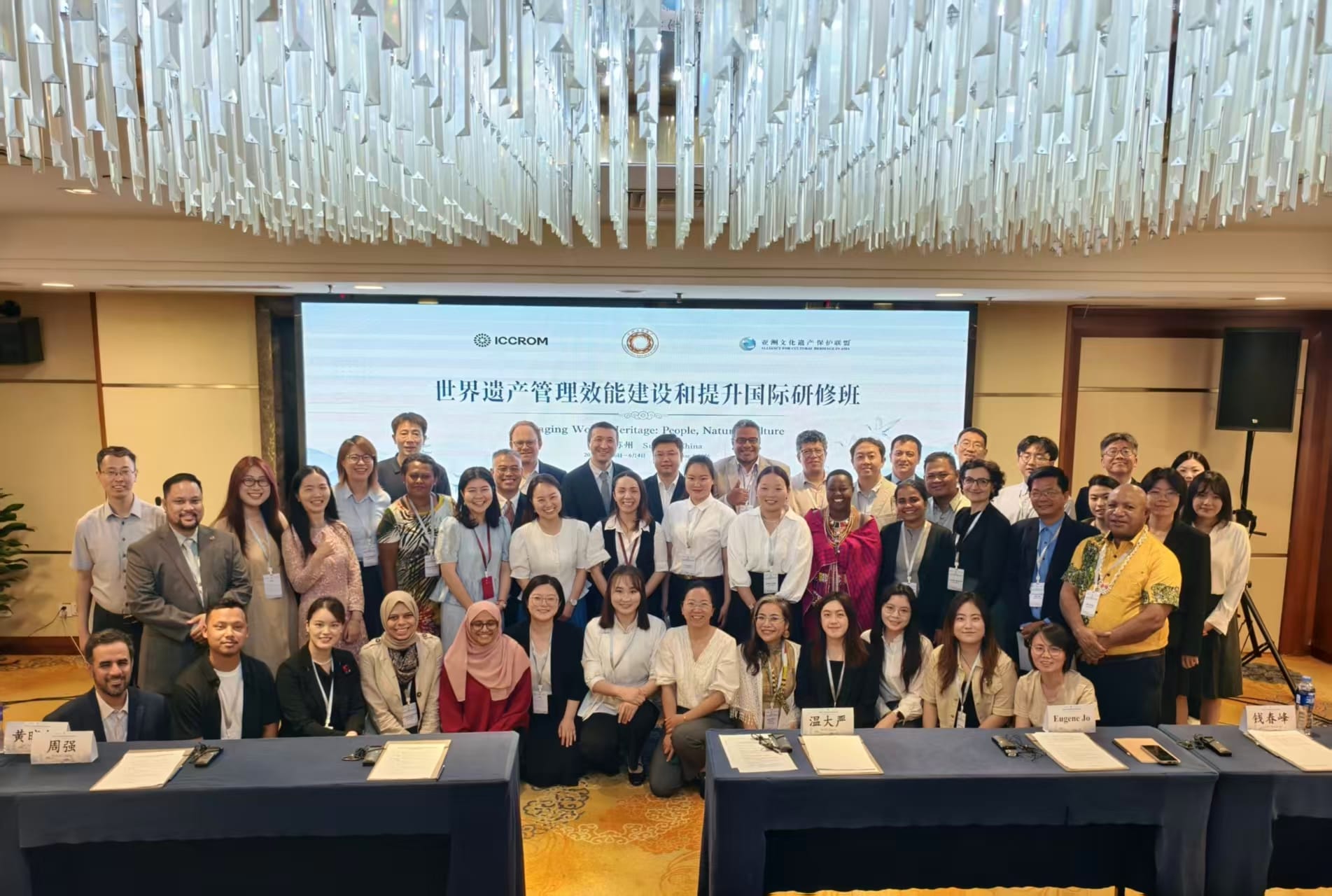
The international PNC course in Suzhou highlights the importance of place-based approaches to heritage management.
From 27 May to 4 June 2026, the international course “Managing World Heritage: People, Nature, Culture” was held in Suzhou (People’s Republic of China), bringing together 34 heritage professionals from 19 countries. The course provided participants with an overview of the World Heritage management system, alongside tools and knowledge to assess management effectiveness, while fostering international exchange and dialogue among heritage practitioners.
The course was organized by the ICCROM-IUCN World Heritage Leadership Programme, the National Cultural Heritage Administration of China (NCHA), and the Alliance for Cultural Heritage in Asia (ACHA) in collaboration with the UNESCO World Heritage Centre, the China Academy of Cultural Heritage (CACH) and the Suzhou Municipal Bureau of Cultural Relics.
During the course, participants analyzed the elements of the World Heritage system in depth and gained practical understanding of the heritage place approach. The course covered foundational themes such as heritage values and attributes, factors affecting the heritage place, governance arrangements and management processes as well as a module on risk assessment and climate action for heritage focused on assessing the potential impacts of hazards and climate-related factors on heritage places and their attributes.
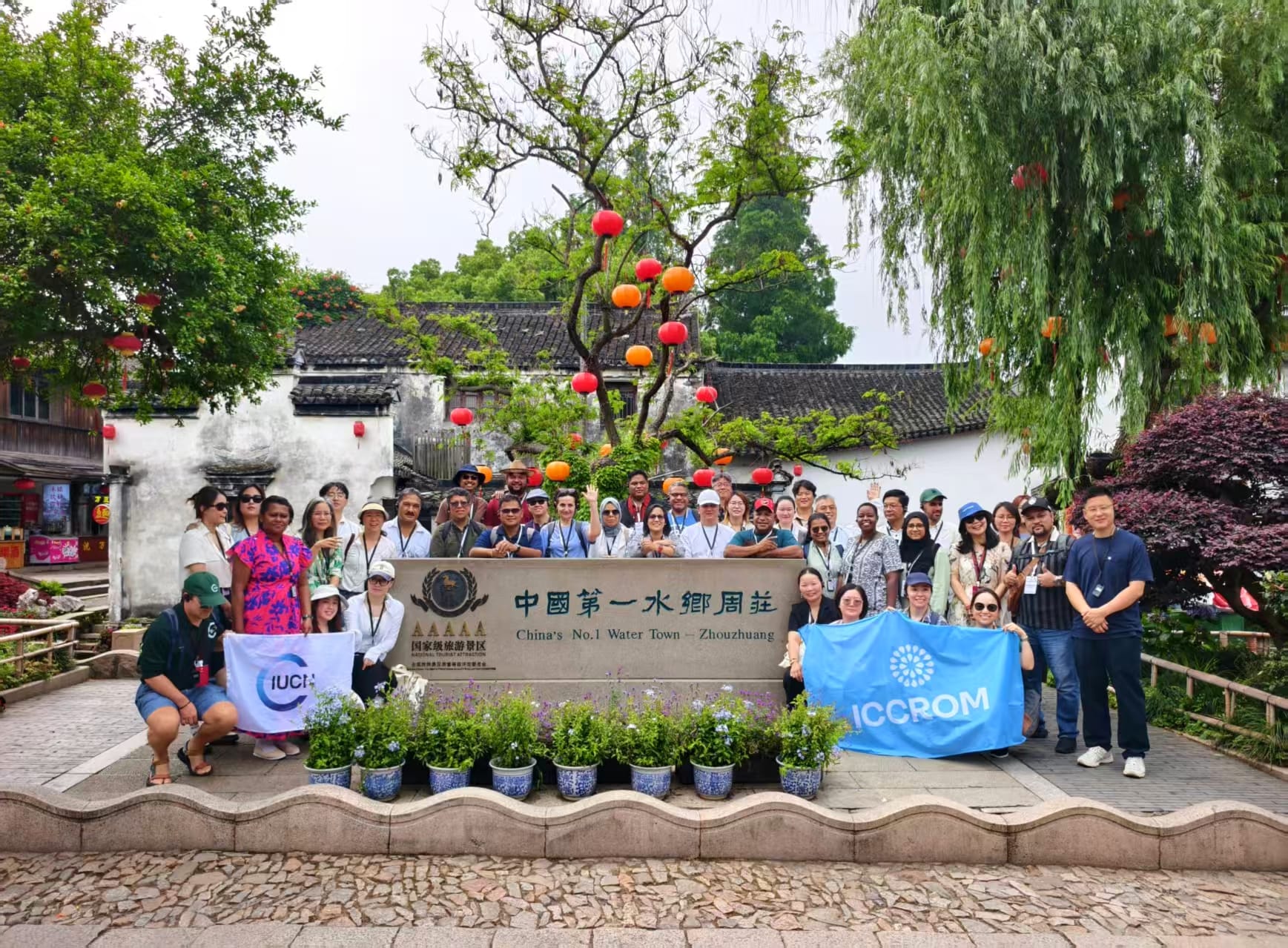
The course was based on the recently published “Managing World Heritage” (2026) resource manual, the “Enhancing Our Heritage Toolkit 2.0” (2023), and the “Guidance and Toolkit for Impact Assessments in a World Heritage Context” (2022).
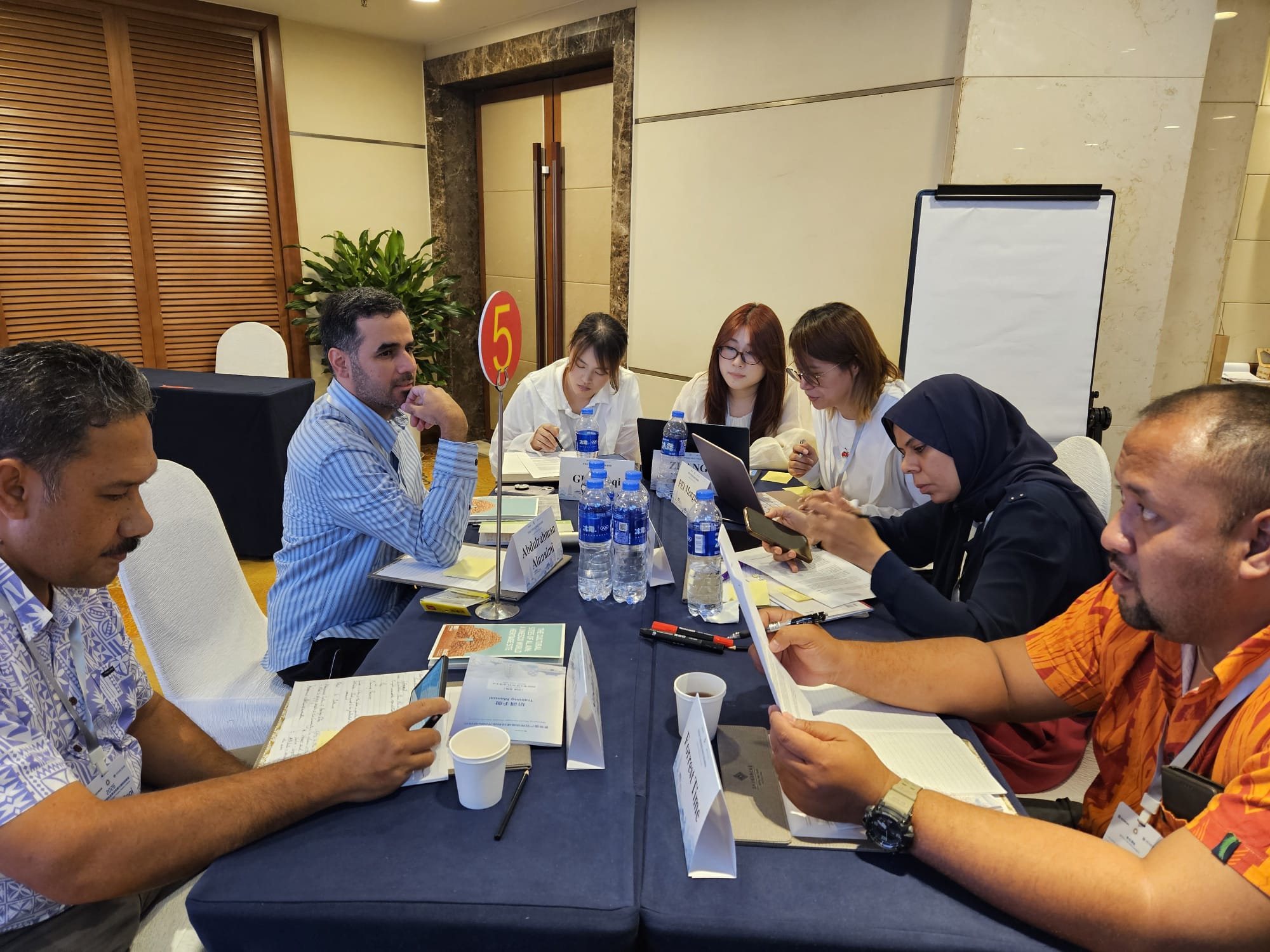
Its curriculum included lectures from heritage specialists to explain how World Heritage management and conservation practices are implemented in the context of Chinese World Heritage properties. These lectures provided participants with the opportunity to gain deeper insights into the Chinese heritage system and learn how management and conservation practices have evolved and adapted in China.
The World Heritage property of the Classical Gardens of Suzhou was used as a transversal case study throughout the course to explore the elements of the World Heritage management system and showcase how toolkits and concepts introduced during the course can be applied to aheritage place. Participants visited three components of the World Heritage property, examining its values, attributes and management in practice: the Lingering Garden, the Humble Administrator’s Garden, and the Lion Grove Garden. These site visits highlighted the interconnected relationship between nature and culture within the gardens and their wider setting.
Further visits to traditional water towns such as Lili and Zhouzhuang Ancient Towns allowed participants to observe how the traditional ways of living and water management systems remain protected while continuing to evolve in the daily lives of residents.
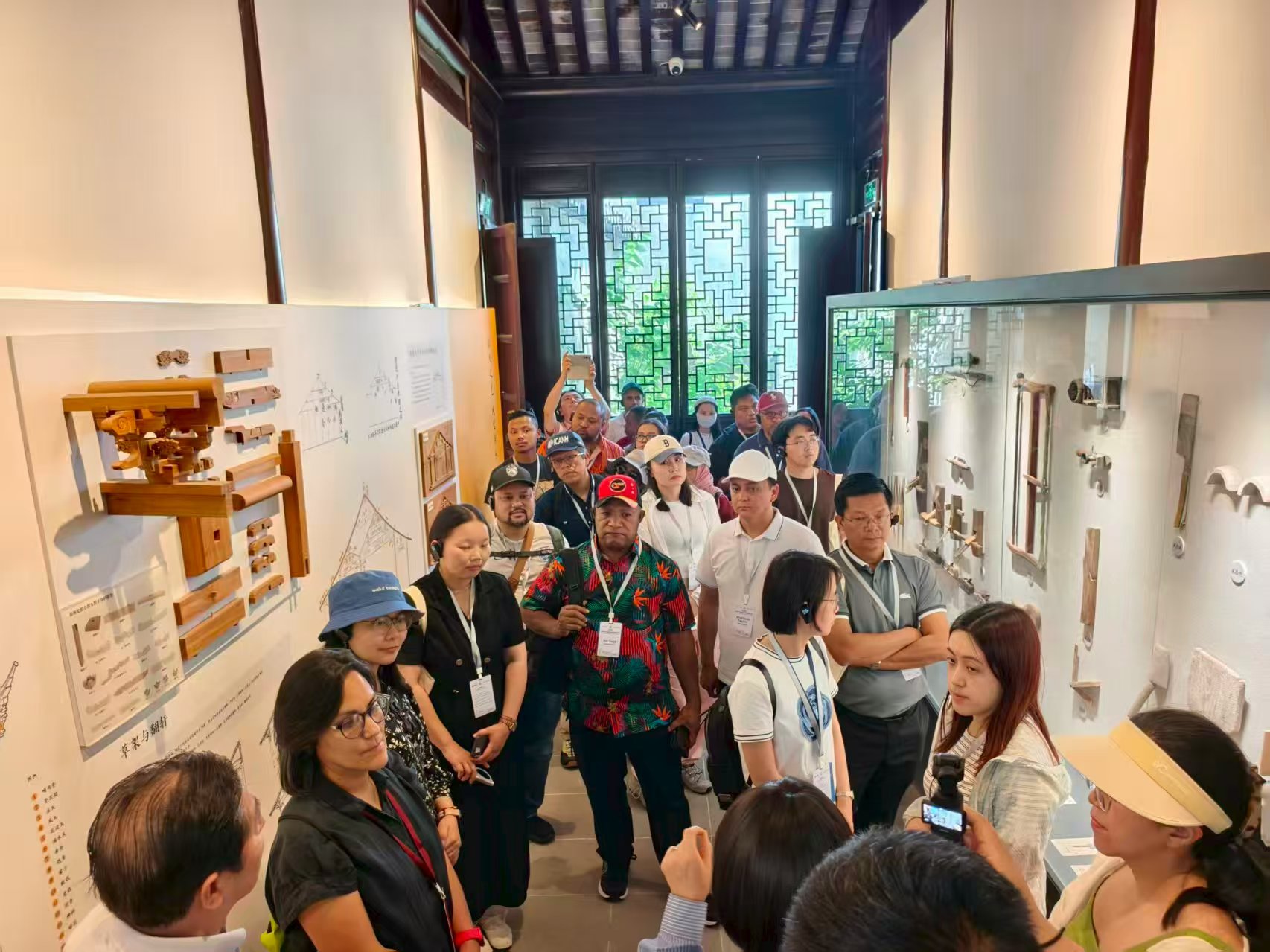
Five heritage places represented by participants were selected as case studies for group work, during which participants were tasked with the application of tools and exercises. The five case studies included: Angkor, Cambodia; Cultural Sites of Al Ain (Hafit, Hili, Bidaa Bint Saud and Oases Areas), United Arab Emirates; Kuk Early Agricultural Site, Papua New Guinea; Levuka Historical Port Town, Fiji; and the transnational property of Qhapaq Ñan Andean Road System, Argentina, Plurinational State of Bolivia, Chile, Colombia, Ecuador and Peru.
Beyond the technical curriculum, the course fostered dialogue and exchange of knowledge and experiences among participants. Participantswere encouraged to use the course as an opportunity to expand their professional networks and explore future collaborations to strengthen heritage management and conservation initiatives.