
ICCROM and the International alliance for the protection of heritage (ALIPH) have joined forces to launch ASILI: An Iteration of ICCROM's Net Zero – Heritage for Climate Action in Africa, a 30-month initiative that will strengthen capacities and scale up heritage-based climate action across four culturally significant sites in Africa. Drawing its name from the Swahili word asili, meaning “essence of a place”, the project is rooted in the recognition that heritage and local knowledge are fundamental to resilient communities and sustainable development. ASILI seeks to demonstrate how heritage, local knowledge, and community-led action can help address climate change, reduce disaster risks, strengthen social cohesion, and support sustainable livelihoods.
Building on the success of ICCROM's Net Zero: Heritage for Climate Action initiative – which has supported heritage-based solutions ranging from a culture-based heat action plan in Jodhpur (India) and flood mitigation through ecosystem restoration in Uganda to initiatives enhancing food and water security through traditional knowledge in Brazil and Egypt – ASILI will adapt and expand these approaches across Africa.
ASILI will be implemented across four heritage sites facing increasing threats from climate change, including sea-level rise, coastal erosion, flooding, cyclones, biodiversity loss, and environmental degradation.
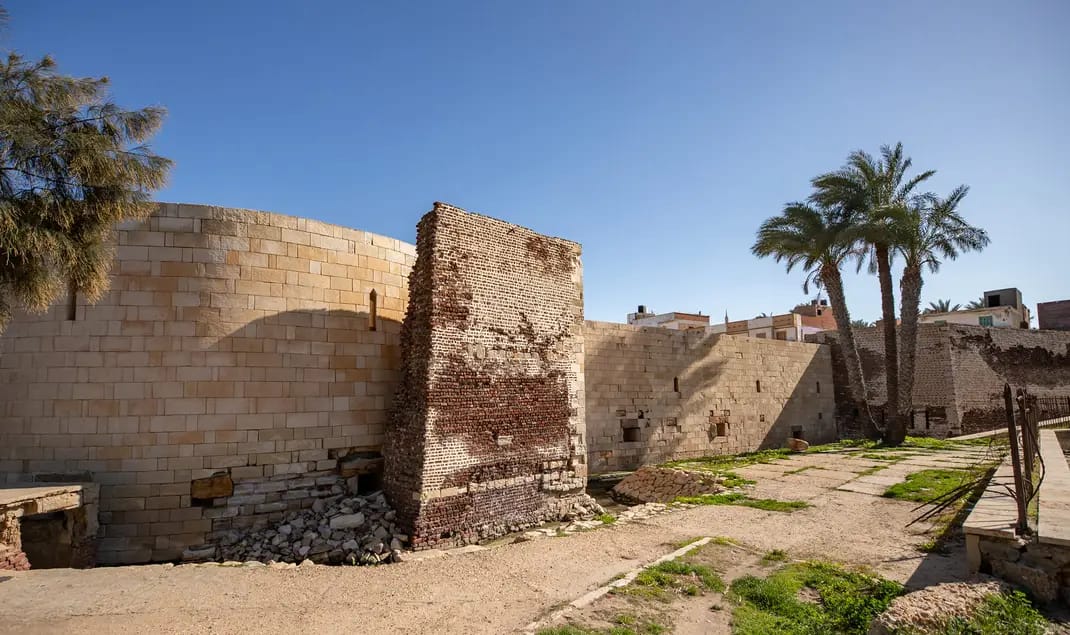
Egypt – Citadel of Qaitbay, Rosetta (Rashid)
Built in the 15th century near the mouth of the Nile, the Citadel of Qaitbay is one of Egypt's most iconic coastal fortifications and is closely associated with the historical discovery of the Rosetta Stone. Today, the site faces growing threats from sea-level rise, coastal erosion, storms, flooding, and rising groundwater levels. ASILI will work with local communities and heritage authorities to strengthen resilience while documenting traditional knowledge related to storm prediction, flood management, and sustainable resource use.
Implementing Partner: Egyptian Heritage Rescue Foundation (EHRF), in collaboration with Egypt's Ministry of Tourism and Antiquities.
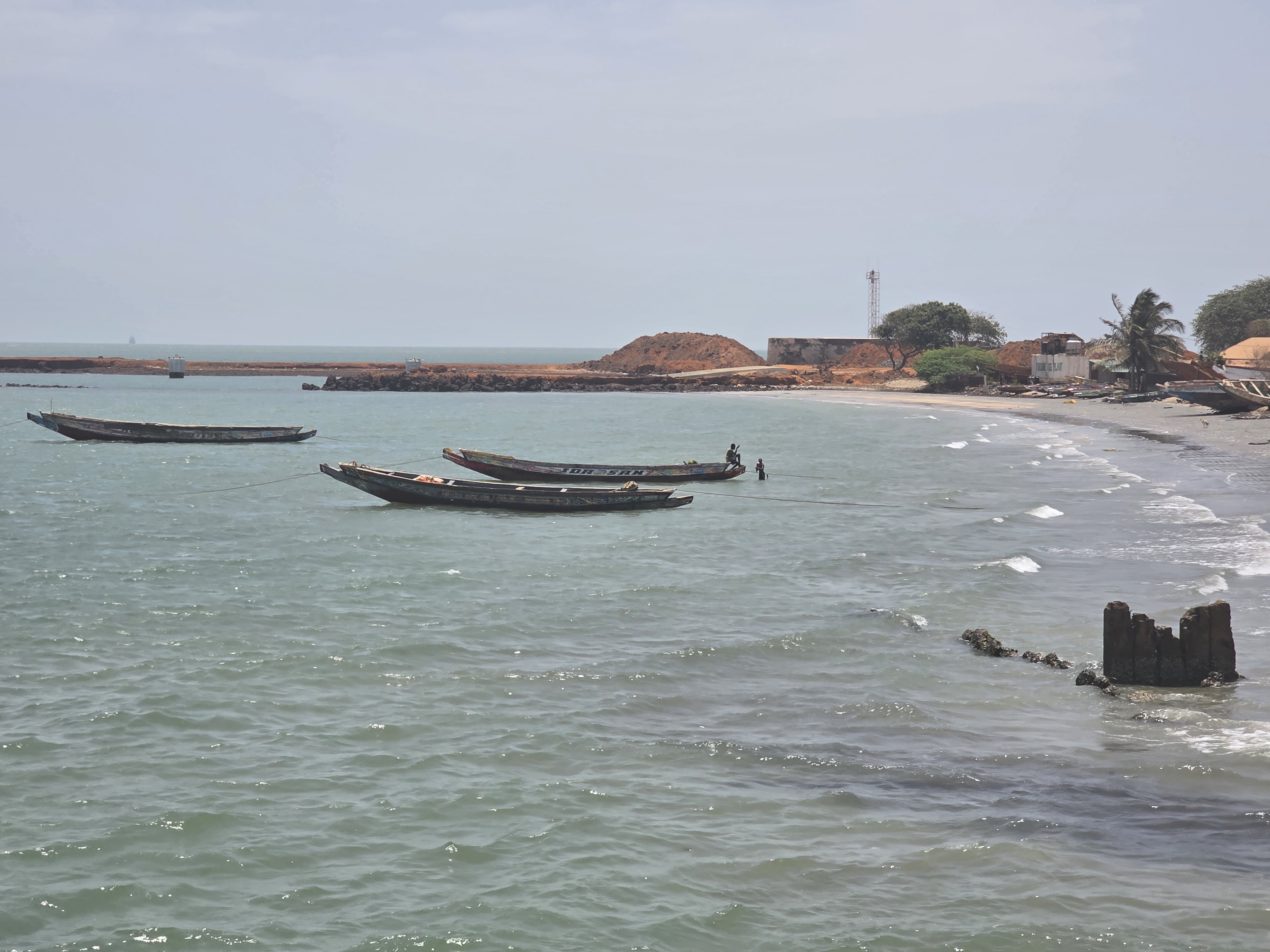
The Gambia – Fort Bullen, Kunta Kinteh Island Region
Part of the UNESCO World Heritage property associated with the history of the transatlantic slave trade, Fort Bullen stands as a powerful symbol of resistance and memory. The site is increasingly threatened by coastal erosion, flooding, and sea-level rise, which are undermining its structural stability. The project will build on local Serer knowledge of flood mitigation and landscape management while strengthening disaster preparedness and community engagement.
Lead Institution: National Centre for Arts and Culture (NCAC), The Gambia.
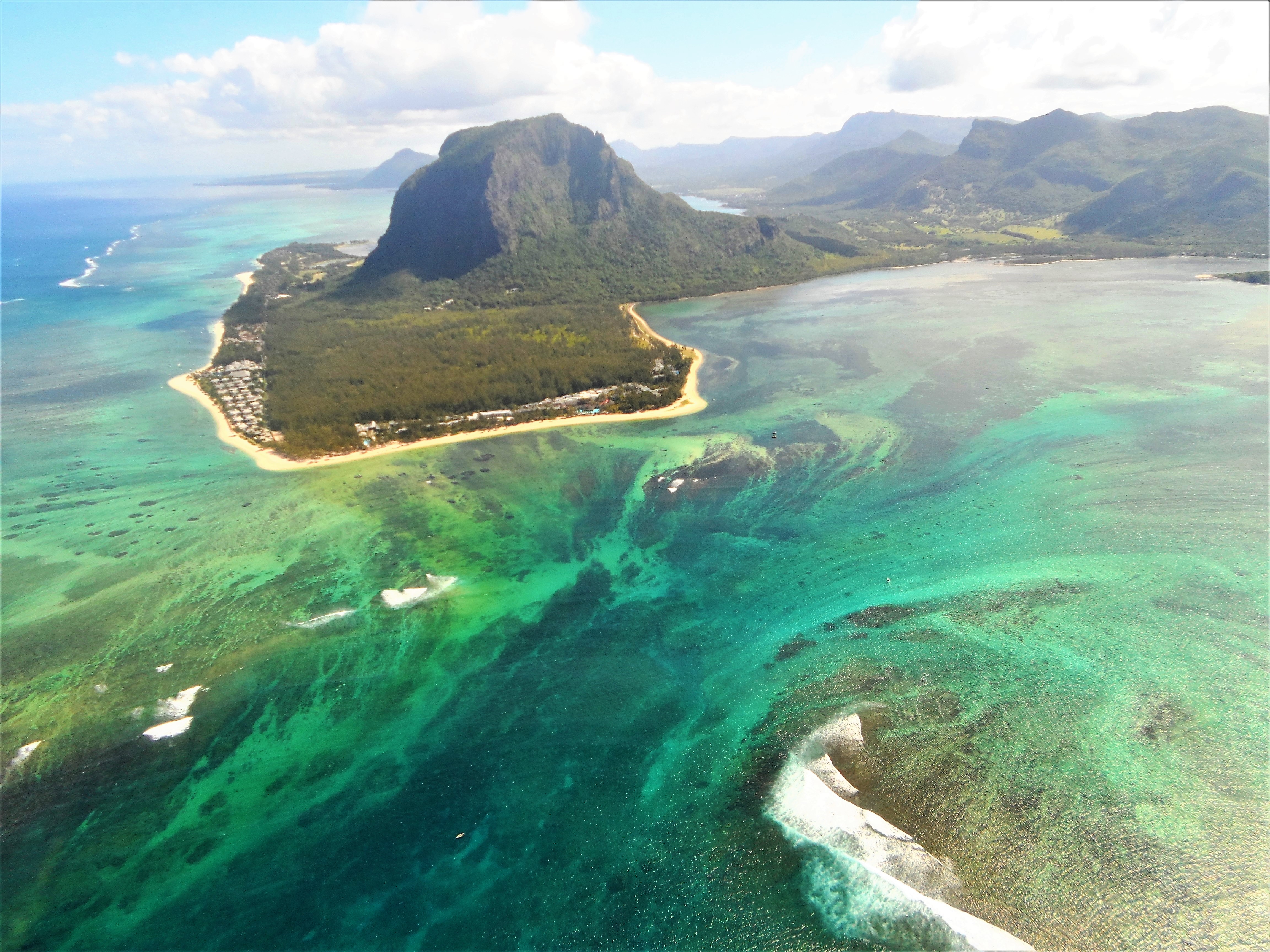
Mauritius – Le Morne Cultural Landscape
A UNESCO World Heritage Site and a global symbol of freedom, Le Morne served as a refuge for escaped enslaved people during the 18th and 19th centuries. Its dramatic landscape preserves memories of resistance, dignity, and resilience. Climate-related pressures, including coastal change and environmental degradation, increasingly threaten both the landscape and local livelihoods. Through ASILI, local knowledge, heritage conservation, and climate adaptation will be brought together to strengthen resilience while supporting sustainable development and tourism.
Implementing Partner: Le Morne Heritage Trust Fund under the Ministry of Arts and Cultural Heritage of Mauritius.
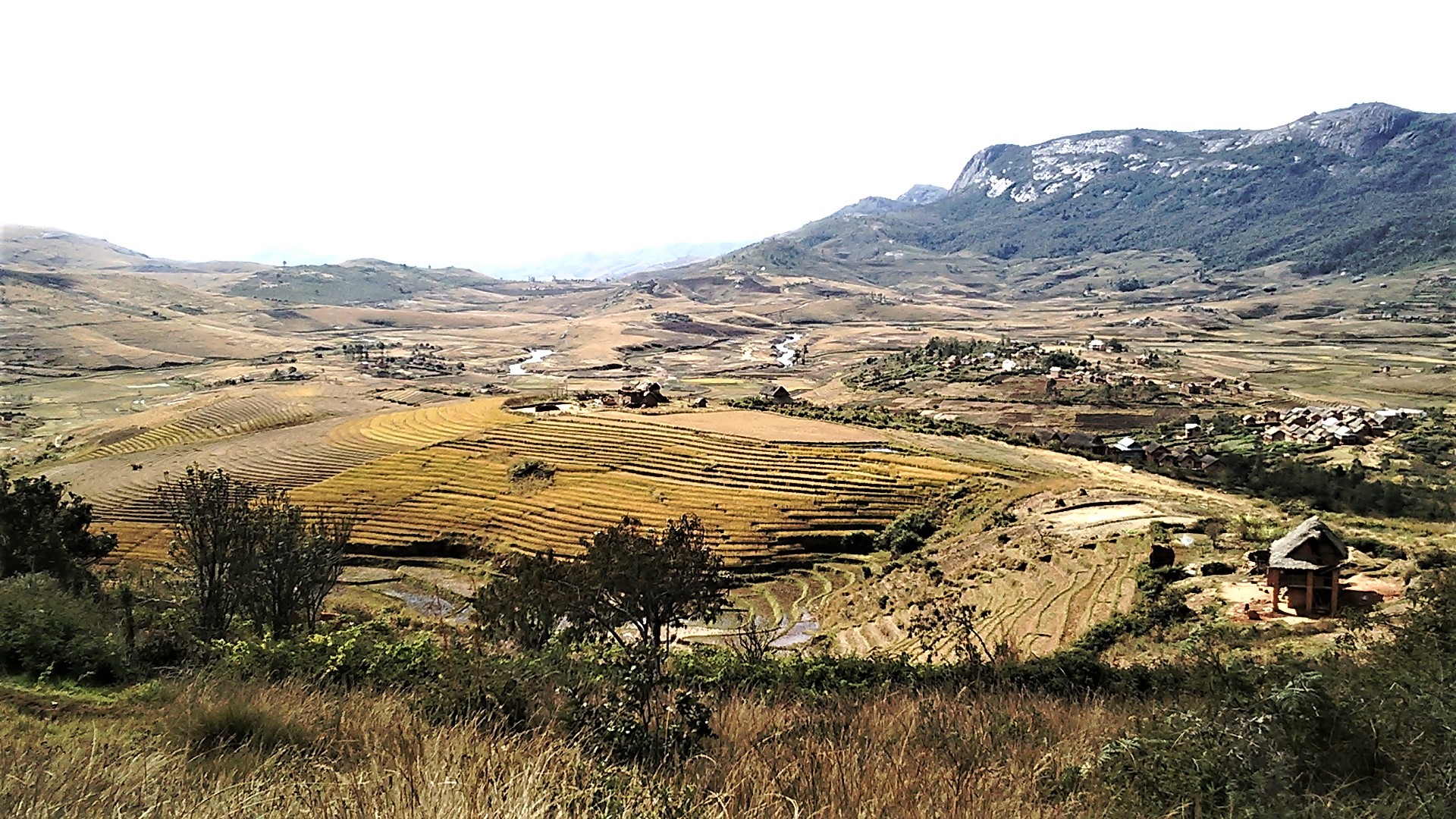
Madagascar – Betsileo and Tanala Rice Terraces
The rice terraces of the Betsileo and Tanala communities form an extraordinary cultural landscape shaped by centuries of knowledge, innovation, and sustainable farming practices. Increasingly intense cyclones, floods, and changing rainfall patterns threaten food security, agrobiodiversity, and traditional livelihoods. The project will support local communities in documenting and applying traditional knowledge related to soil conservation, water management, and climate adaptation.
Implementing Partner: Jeunes Actifs pour le Développement Durable (JADD), working with local authorities and communities.
Heritage as a Driver of Climate Action
Over the next 30 months, ASILI will support site teams in conducting climate and disaster risk assessments, documenting traditional and Indigenous knowledge systems, developing site-specific climate action plans, implementing locally led adaptation measures, and strengthening livelihoods linked to heritage conservation. Each participating site will receive a seed grant to implement field-based actions tailored to local needs and priorities.
By bridging scientific knowledge and community experience and cultural practices, the project aims to demonstrate that heritage is not merely a victim of climate change – it is also part of the solution. Through improved disaster preparedness, climate adaptation, livelihood diversification, and knowledge sharing, ASILI will contribute to safeguarding heritage while advancing resilience, peacebuilding, and sustainable development across Africa.
The ASILI project aligns with the ICCROM Strategic Plan and its CARE vision to Conserve, Activate and Recognize Heritage in all its forms, particularly its Strategic Direction 2, Activate heritage to accelerate positive change and sustainable socio-economic growth. The initiative will be delivered through ICCROM's First Aid and Resilience for Cultural Heritage in Times of Crisis (FAR) programme delivery mechanism. It advances ICCROM’s commitment to activating cultural heritage as a catalyst for durable climate solutions by strengthening the capacity of communities and heritage professionals to integrate cultural resources into climate adaptation, risk reduction, and resilience-building efforts.
Funded by ALIPH and implemented by ICCROM and its partners, ASILI contributes to a growing global movement that places cultural heritage at the heart of climate adaptation, as reflected in Target 9 (g) of the Global Goal on Adaptation (GGA), demonstrating how heritage, traditional knowledge and community stewardship can contribute to long-term environmental resilience, social cohesion, and sustainable development.