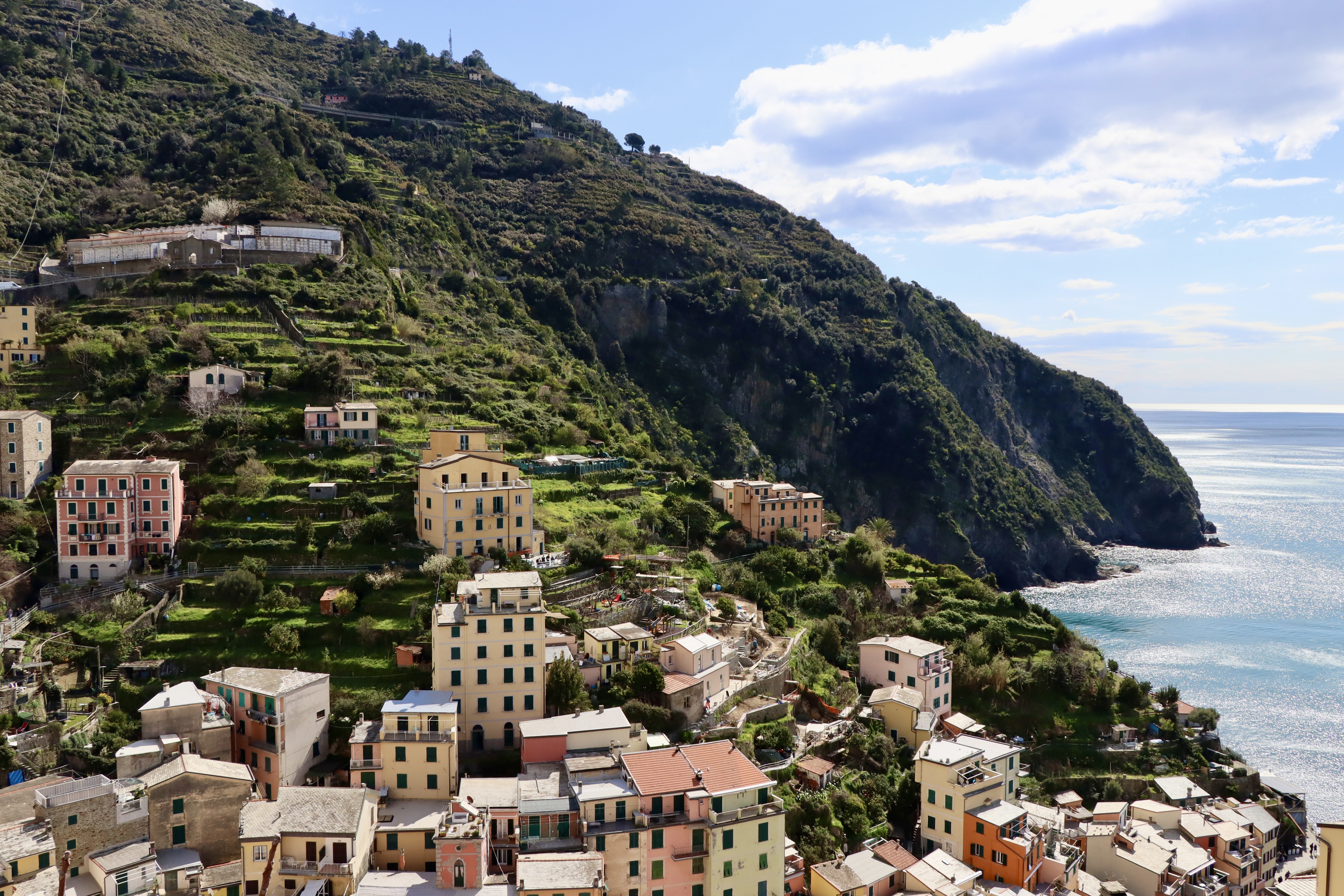
Professionals from 15 countries have spent the past week in the terraced landscapes of the UNESCO World Heritage property “Portovenere, Cinque Terre, and the Islands (Palmaria, Tino and Tinetto) transforming this remarkable site into a living laboratory for integrated conservation practice.
Hosted at the Cinque Terre National Park, the first joint edition of the Integrating World Heritage Management into Wider Urban and Territorial Planning Course (PNC ITUC) brought together the diverse expertise of the participants to explore how heritage can be better connected to territorial planning, governance, community well-being and sustainable development.
Heritage place as a classroom
The terraced vineyards and coastal settlements of the Cinque National Park offered a powerful and inspiring setting for reflection and exchange, described by participants as “a stimulating experience in a breathtaking landscape.”
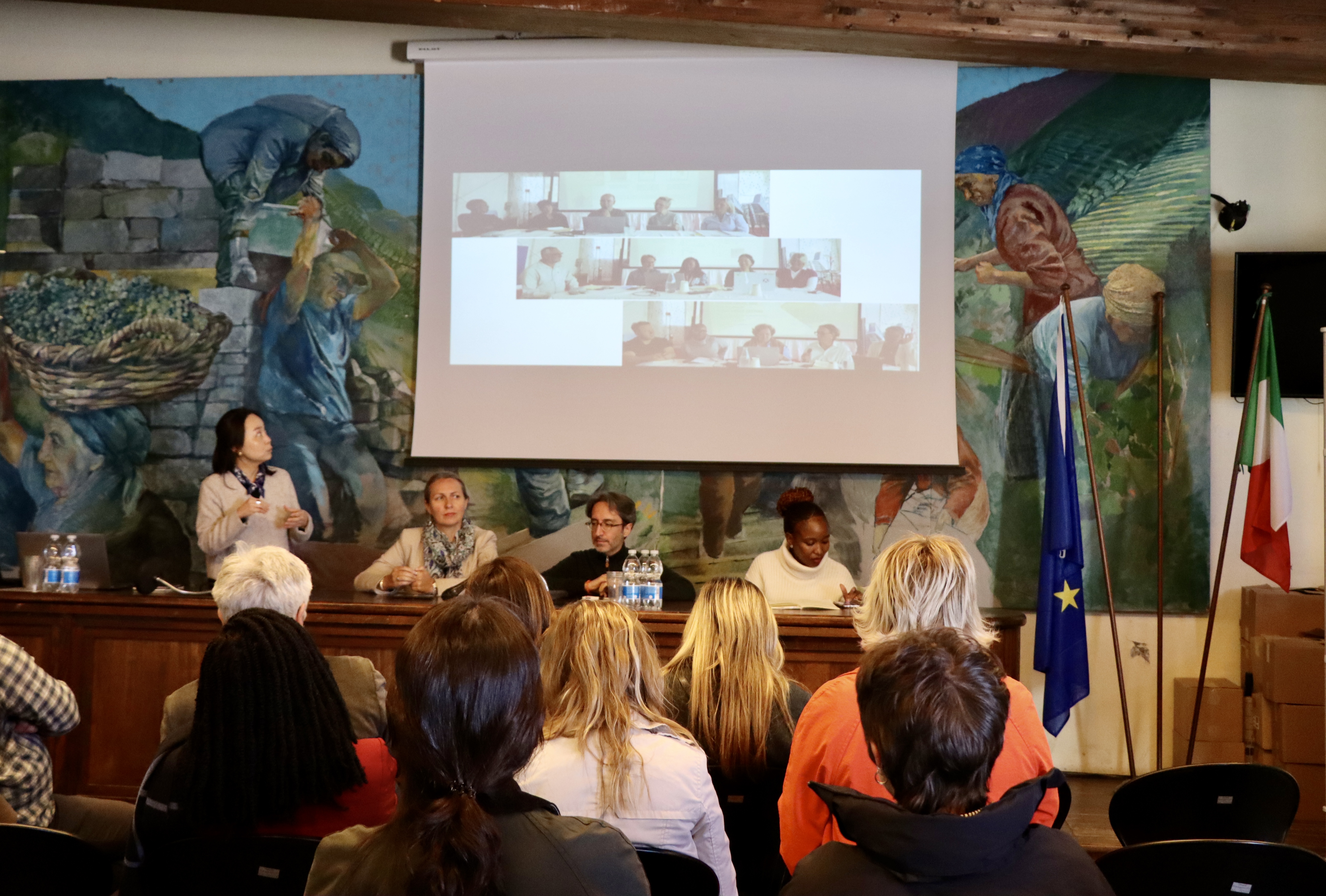
Over the past week, Cinque Terre itself became a classroom, demonstrating how heritage places do not exist in isolation, but function as living systems shaped by the dynamic interaction of nature, culture, and communities through participatory governance arrangements.
Through site visits, group work, and interdisciplinary dialogue, participants engaged directly with the complexities of managing a cultural landscape under multiple planning mechanisms, reinforcing the urgent need to integrate heritage conservation into broader territorial and urban decision-making.
A shared commitment to integrated conservation
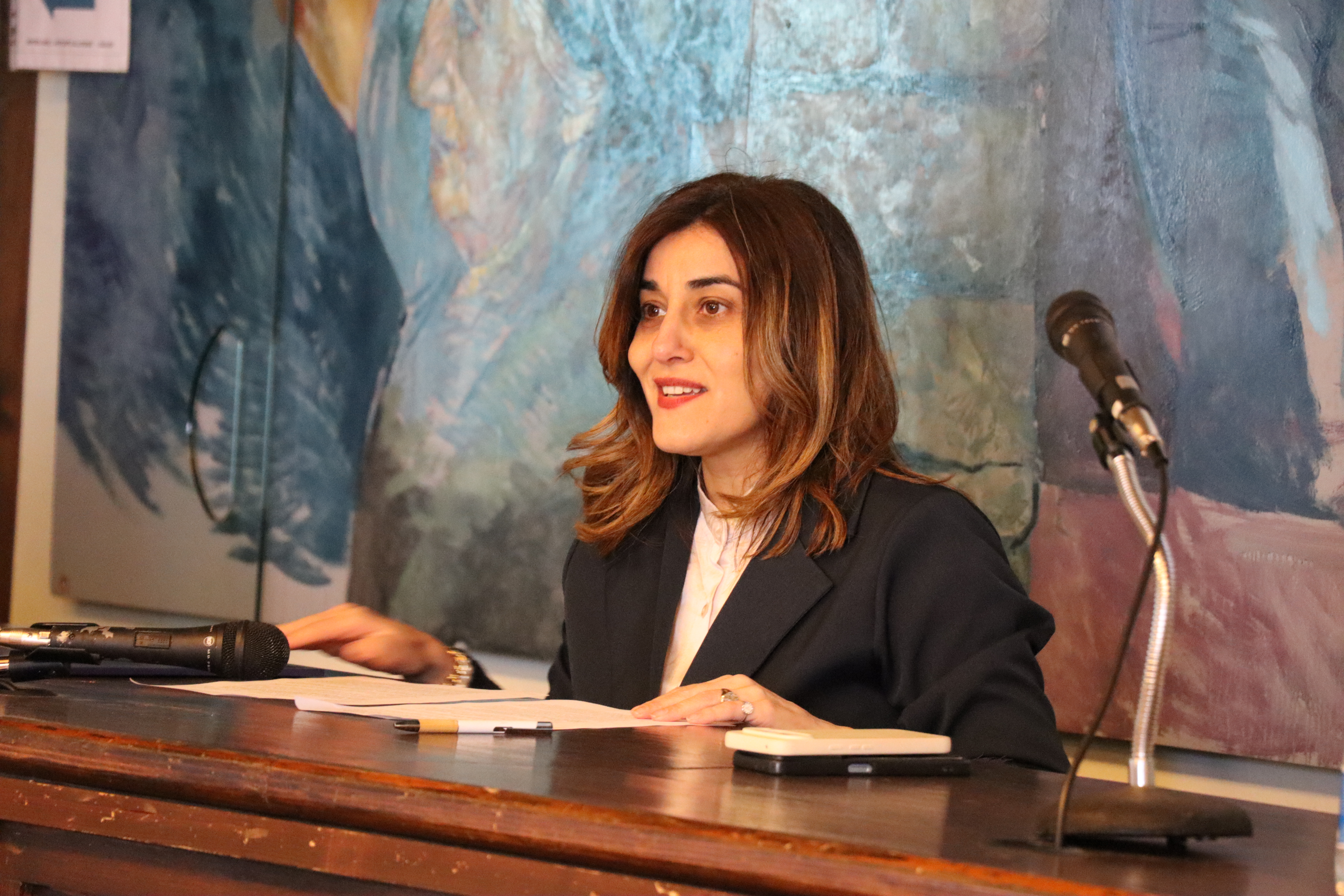
In her closing remarks, ICCROM’s Director-General, Aruna Francesca Maria Gujral, stressed the broader significance of the initiative:
“Heritage has the potential to shape more sustainable and inclusive societies, but only when it is fully recognized in policy, embedded in planning systems, and integrated into development processes.” She added: “As ICCROM embarks on a new strategic cycle grounded in the vision of CARE for heritage – to conserve, activate, and recognize the full potential of heritage in enriching lives, cross-cutting initiatives like this course play a key role in fulfilling our programmatic approach. Through this programme, we are equipping heritage organizations, professionals, and actors from other sectors with the knowledge, skills, and resources needed to work together effectively.”
From theory to practice
Throughout the course, participants:
- explored ways to integrate heritage conservation into urban and territorial planning at the local, regional, and national levels
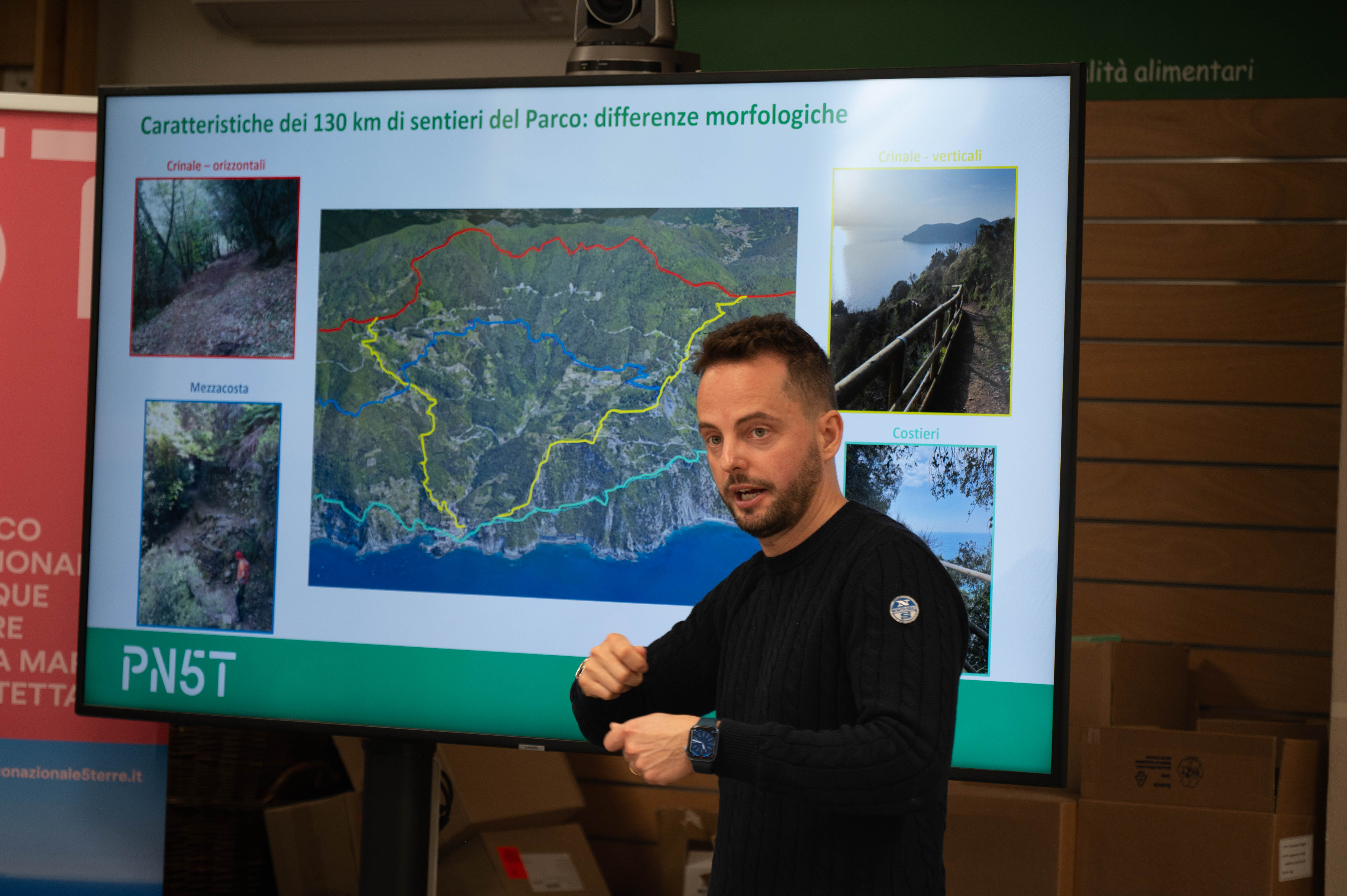
- undertook field-based analysis of complex landscape challenges such as tourism pressure, climate risks, depopulation and land management
- developed collaborative strategies and context-specific solutions through multidisciplinary teamwork
- strengthened capacities in governance, actors’ engagement, and policy integration
- exchanged global experiences and good practices, fostering peer learning and building professional networks
Beyond training: key lessons from Cinque Terre
The training experience highlighted several critical realities:
- heritage must be fully integrated into planning systems and development processes
- conservation requires cross-sector collaboration, interdisciplinary approaches, and active engagement of heritage professionals in urban and territorial decision-making
- clear communication, defined roles, and both formal and informal coordination mechanisms are essential to ensure coherent action among stakeholders
- local authorities play a vital role in balancing conservation priorities with development and tourism pressures and community needs
- planning processes must reflect human, socio-cultural, economic and environmental dimensions, while ensuring alignment between World Heritage management plans and other territorial strategies through common objectives and integrated actions
- strong management frameworks and coordinated planning help demonstrate how heritage can actively contribute to sustainable development and improved quality of life of the local communities
By fostering interdisciplinary exchange and hands-on learning in real-life contexts, the course strengthened conservation practice, helping position heritage as a strategic resource for sustainable development and enhancing its recognition within policies and planning systems.
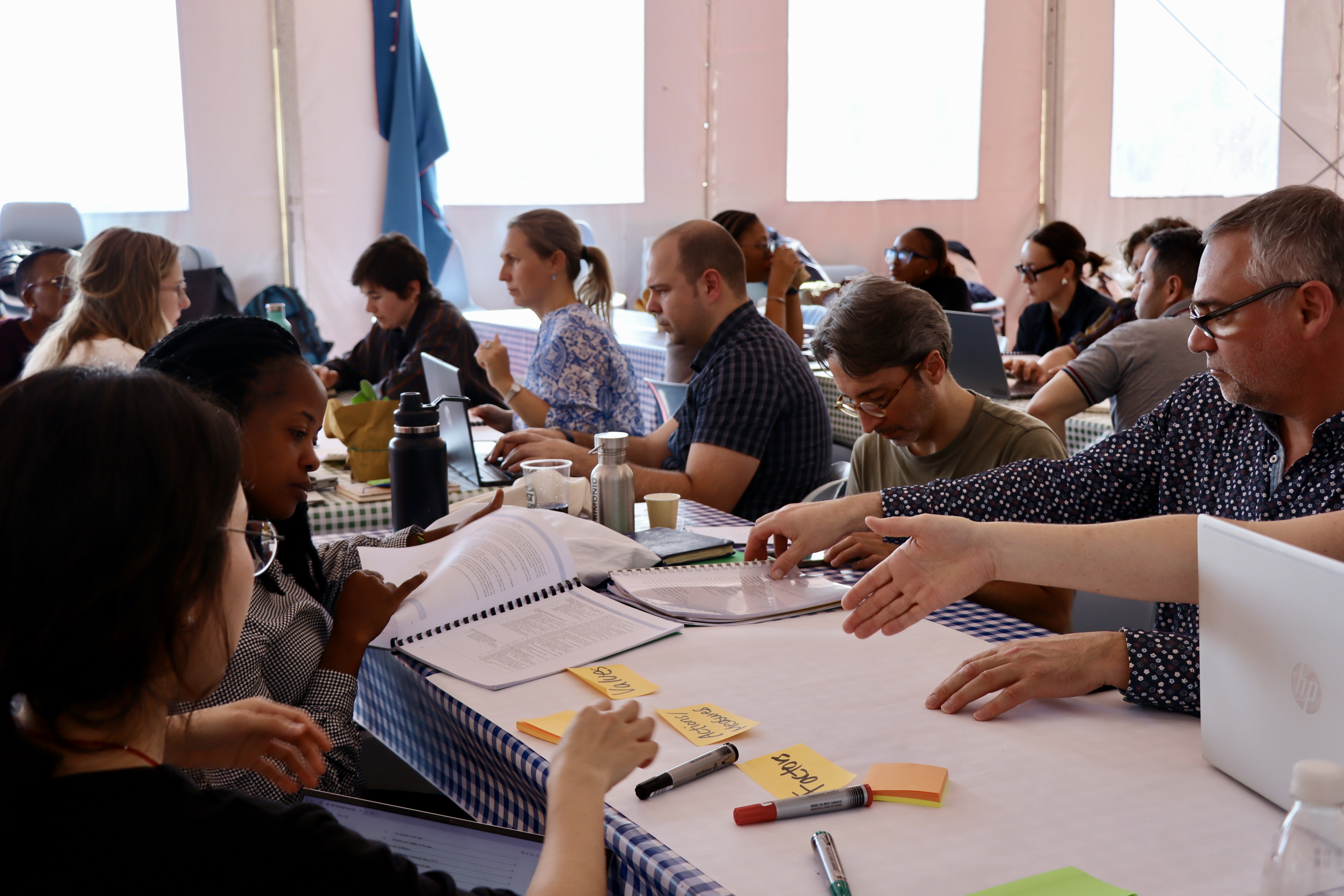
Partnerships and collaboration at the core of capacity-building
Participants identified practical opportunities for cooperation with the aim of fostering stronger engagement and partnerships, enabling heritage to play a more active role in responsible long-term development and gain broader recognition as a driver of inclusive and sustainable futures.
Organized by ICCROM, the International Union for Conservation of Nature (IUCN), and Cinque Terre National Park, the course is delivered through ICCROM–IUCN World Heritage Leadership Programme, and draws on ICCROM's global leadership in capacity-building for Sustainable Urban and Built Heritage Conservation, Disaster and Climate Risk Management, and Post-Crisis Recovery.
ICCROM extends its sincere appreciation to all partners, including the municipalities of Monterosso al Mare and Riomaggiore, for their support in making this initiative possible.
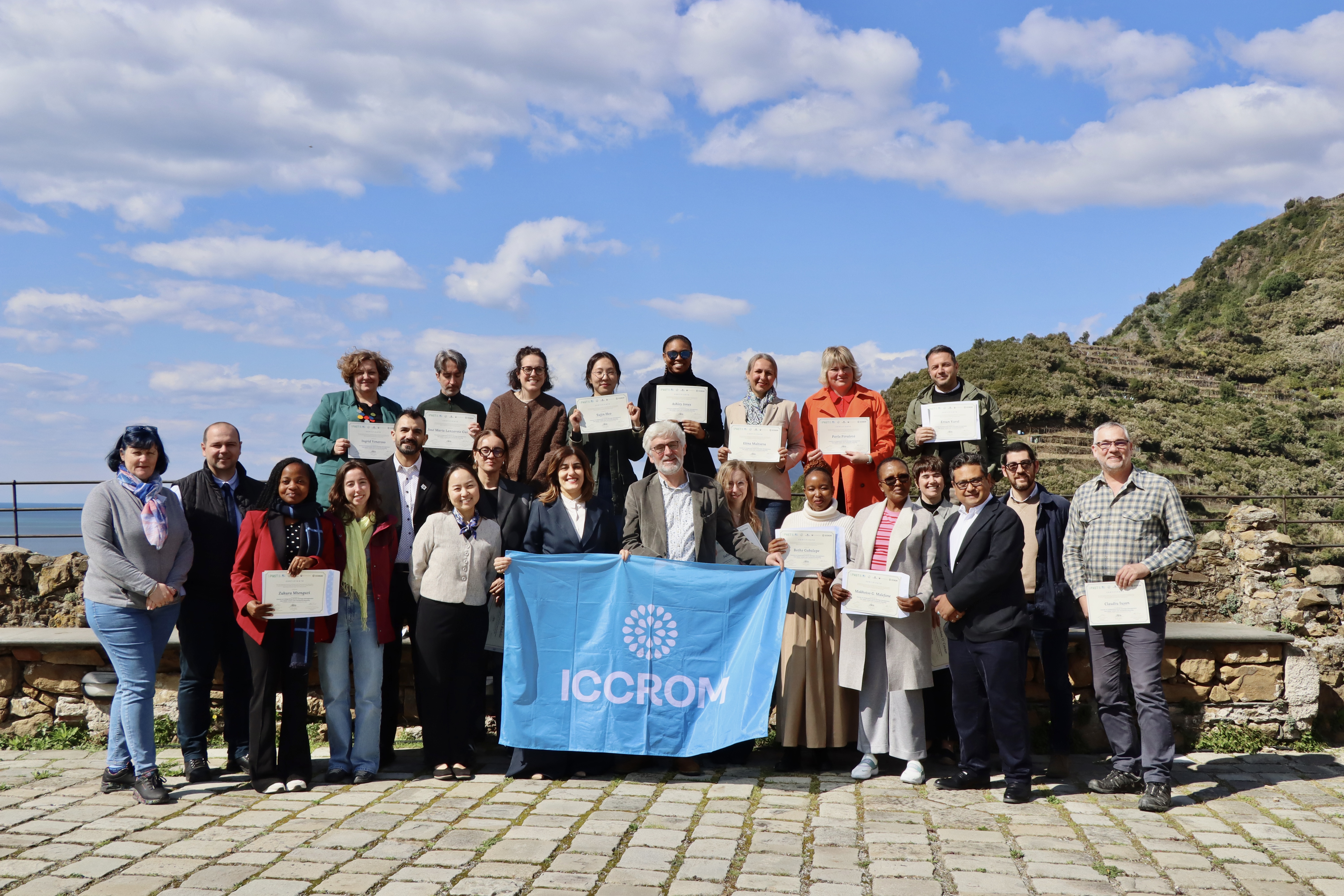
From Cinque Terre to global practice
As participants return to their institutions and heritage sites worldwide, they carry forward not only new tools and knowledge, but a strengthened network of collaboration.
The experience in Cinque Terre offers a powerful lesson: when heritage is fully integrated into planning, policy and development processes, it becomes not only something to protect – but a strategic resource for shaping more resilient, inclusive and sustainable futures worldwide.