
• English
  • Français
  • Español
  • Italiano
  • العربية
  • English
  • Français
  • Español
  • Italiano
  • العربية

Social Share

  • Facebook
  • Instagram
  • Twitter
  • LinkedIn
  • Youtube
  • RSS
Search site
Centro internazionale di studi
per la conservazione ed il
restauro dei beni culturali

Main navigation

  • Chi siamo
    • Panoramica
      • Cos’è l’ICCROM
      • Storia
      • L’ICCROM e l'Italia
      • Centro regionale dell'ICCROM a Sharjah
      • Missione e visione
      • Valori ed etica
      • Premio ICCROM
    • Stati Membri
      • Lista completa degli stati membri
      • Portale degli organi direttivi di governo
      • Contributi degli Stati membri
    • Informazioni aziendali
      • Struttura governativa
      • Direttore Generale
        • News
        • Previous Director-Generals
      • Chi fa cosa
      • Il nostro impegno alla trasparenza
        • Documenti istituzionali
        • Protezione dati
        • Informazioni finanziarie
        • Programma e di bilancio
        • Relazioni dell'organizzazione
          • Previous Newsletters (Annual Reports before 2001)
    • Partenariato
      • I nostri partner
        • شركاء التمويل
      • Diventa partner dell’ICCROM
  • Cosa facciamo
    • Programmi
      • Primo soccorso e resilienza per il patrimonio culturale in tempi di crisi (FAR)
        • Il nostro approccio
        • Progetti
        • Risposta alle emergenze
        • Pianificazione della gestione del rischio di catastrofi
        • Notizie
        • Corsi
        • Partner
        • Risorse
      • Leadership del Patrimonio Mondiale (WHL)
        • Il nostro approccio
        • Progetti
        • Notizie
        • Corsi
        • Partner
        • Risorse
      • Patrimonio architettonico e archeologico tangibile nella regione araba (ATHAR)
        • Il nostro approccio
        • Progetti
        • Notizie
        • Corsi
        • Partner
        • Risorse
      • Youth.Heritage.Africa (YHA)
        • Il nostro approccio
        • Progetti
        • Notizie
        • Corsi
        • Partner
        • Risorse
      • Gestione del patrimonio in America Latina e nei Caraibi (LAC)
        • Il nostro approccio
        • Progetti
        • Notizie
        • Corsi
        • Partner
        • Risorse
      • Le nostre collezioni contano
        • Il nostro approccio
        • Progetti
        • Notizie
        • Partner
        • Risorse
      • Sostenere il Patrimonio Digitale
        • Il nostro approccio
        • Progetti
        • Notizie
        • Partner
        • Risorse
      • Sostenibilità e patrimonio costruito
        • Il nostro approccio
        • Progetti
        • Notizie
        • Corsi
        • Partner
        • Risorse
      • RE-ORG
        • Il nostro approccio
        • Progetti
        • Notizie
        • Corsi
        • Partner
        • Risorse
      • SOIMA- Conservazione delle collezioni di suoni e immagini
        • Il nostro approccio
        • Notizie
        • Corsi
        • Partner
        • Risorse
      • CollAsia
        • Il nostro approccio
        • Progetti
        • Notizie
        • Corsi
        • Partner
        • Risorse
    • Courses
      • Catalogue
      • Ongoing Courses
      • Upcoming Courses
    • Ricerca
      • Scienza del Patrimonio
      • Iniziative Strategiche
        • Notizie
        • Risorse
        • Partner
      • Previsione
      • Progetti in evidenza
      • Borse di studio
    • Servizi di consulenza
      • Servizi di consulenza per la Convenzione sul Patrimonio Mondiale
        • Attività di consulenza
      • Consulenza scientifica e tecnica agli Stati membri
      • Progetto su richiesta
  • Notizie ed Eventi
    • Notizie
    • Eventi
    • Per la stampa
      • Comunicati stampa
      • Contatti per la stampa
      • ICCROM nella stampa
    • Blog
    • I visitatori
  • Risorse
    • Pubblicazioni
    • Multimedia
    • Classifieds
    • Risorsa del mese
    • Biblioteca
      • Catalogo della Biblioteca
      • Servizi generali
        • Spedizione documenti
        • Fotocopie e scansioni
        • OpenAthens  
      • Le nostre collezioni
      • Rete e progetti
    • Archivio dell'ICCROM
      • Portale Web dell'Archivio
      • Aiuto alla ricerca
      • Progetti in primo piano
      • Visitare l'Archivio
  • Partecipare
    • Borse di studio
      • Domande Frequenti (FAQ)
    • Stage presso l' ICCROM
      • Stage - domande frequenti (FAQ)
    • Lavora con noi
    • Signup
Via di San Michele 13 - Rome, Italy Tel: (+39) 06.585-531 Fax:(+39) 06.585-53349
© 2026
  • Programmi
    • Primo soccorso e resilienza per il patrimonio culturale in tempi di crisi (FAR)
    • Leadership del Patrimonio Mondiale (WHL)
    • Patrimonio architettonico e archeologico tangibile nella regione araba (ATHAR)
    • Youth.Heritage.Africa (YHA)
    • Gestione del patrimonio in America Latina e nei Caraibi (LAC)
    • Le nostre collezioni contano
    • Sostenere il Patrimonio Digitale
    • Sostenibilità e patrimonio costruito
    • RE-ORG
    • SOIMA- Conservazione delle collezioni di suoni e immagini
    • CollAsia
  • Courses
    • Catalogue
    • Ongoing Courses
    • Upcoming Courses
  • Ricerca
  • Servizi di consulenza
  • Cosa facciamo
  • Programmi
  • Primo soccorso e resilienza per il patrimonio culturale in tempi di crisi (FAR)
  • Progetti

ASILI

ASILI: An Iteration of ICCROM's Net Zero – Heritage for Climate Action in Africa is a 30-month initiative that will strengthen capacities and scale up heritage-based climate action across four culturally significant sites in Africa. 

Drawing its name from the Swahili word asili, meaning “essence of a place”, the project is rooted in the recognition that heritage and local knowledge are fundamental to resilient communities and sustainable development. ASILI seeks to demonstrate how heritage, local knowledge, and community-led action can help address climate change, reduce disaster risks, strengthen social cohesion, and support sustainable livelihoods.

Building on the success of ICCROM's Net Zero: Heritage for Climate Action initiative – which has supported heritage-based solutions ranging from a culture-based heat action plan in Jodhpur (India) and flood mitigation through ecosystem restoration in Uganda to initiatives enhancing food and water security through traditional knowledge in Brazil and Egypt – ASILI will adapt and expand these approaches across Africa.

ASILI will be implemented across four heritage sites facing increasing threats from climate change, including sea-level rise, coastal erosion, flooding, cyclones, biodiversity loss, and environmental degradation.

Egypt – Citadel of Qaitbay, Rosetta (Rashid)

Built in the 15th century near the mouth of the Nile, the Citadel of Qaitbay is one of Egypt's most iconic coastal fortifications and is closely associated with the historical discovery of the Rosetta Stone. Today, the site faces growing threats from sea-level rise, coastal erosion, storms, flooding, and rising groundwater levels. ASILI will work with local communities and heritage authorities to strengthen resilience while documenting traditional knowledge related to storm prediction, flood management, and sustainable resource use.

Implementing Partner: Egyptian Heritage Rescue Foundation (EHRF), in collaboration with Egypt's Ministry of Tourism and Antiquities.
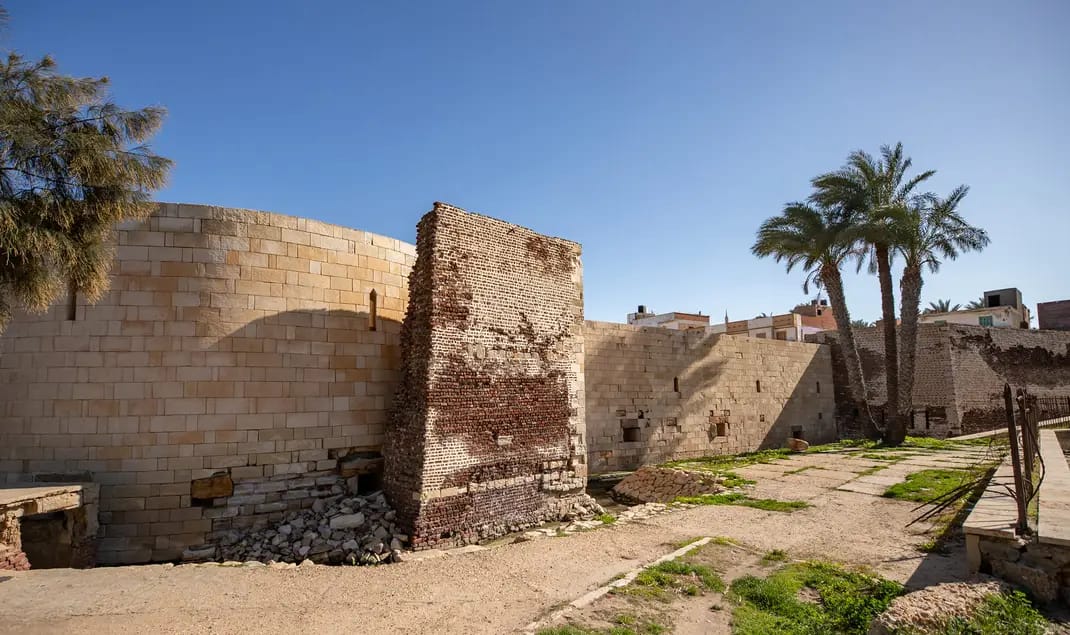
water impacts - qitbay citadel -bouj rashid Egypt
Water Impacts - Qitbay Citadel- Bouj Rashid, Egypt

The Gambia – Fort Bullen, Kunta Kinteh Island Region

Part of the UNESCO World Heritage property associated with the history of the transatlantic slave trade, Fort Bullen stands as a powerful symbol of resistance and memory. The site is increasingly threatened by coastal erosion, flooding, and sea-level rise, which are undermining its structural stability. The project will build on local Serer knowledge of flood mitigation and landscape management while strengthening disaster preparedness and community engagement.

Lead Institution: National Centre for Arts and Culture (NCAC), The Gambia.
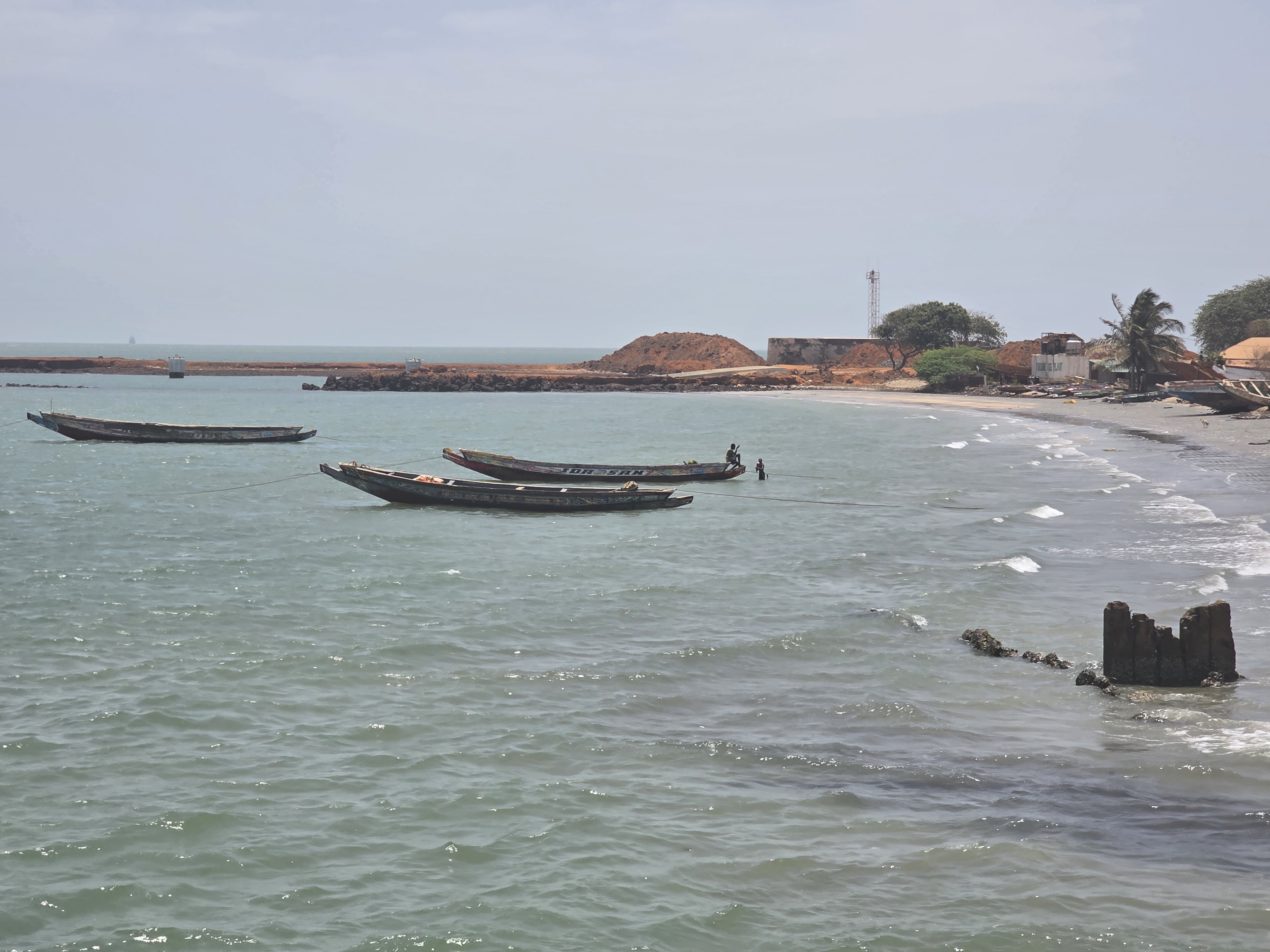
Fort Bullen, Kunta Kinteh Island Region

Mauritius – Le Morne Cultural Landscape

A UNESCO World Heritage Site and a global symbol of freedom, Le Morne served as a refuge for escaped enslaved people during the 18th and 19th centuries. Its dramatic landscape preserves memories of resistance, dignity, and resilience. Climate-related pressures, including coastal change and environmental degradation, increasingly threaten both the landscape and local livelihoods. Through ASILI, local knowledge, heritage conservation, and climate adaptation will be brought together to strengthen resilience while supporting sustainable development and tourism.

Implementing Partner: Le Morne Heritage Trust Fund under the Ministry of Arts and Cultural Heritage of Mauritius.
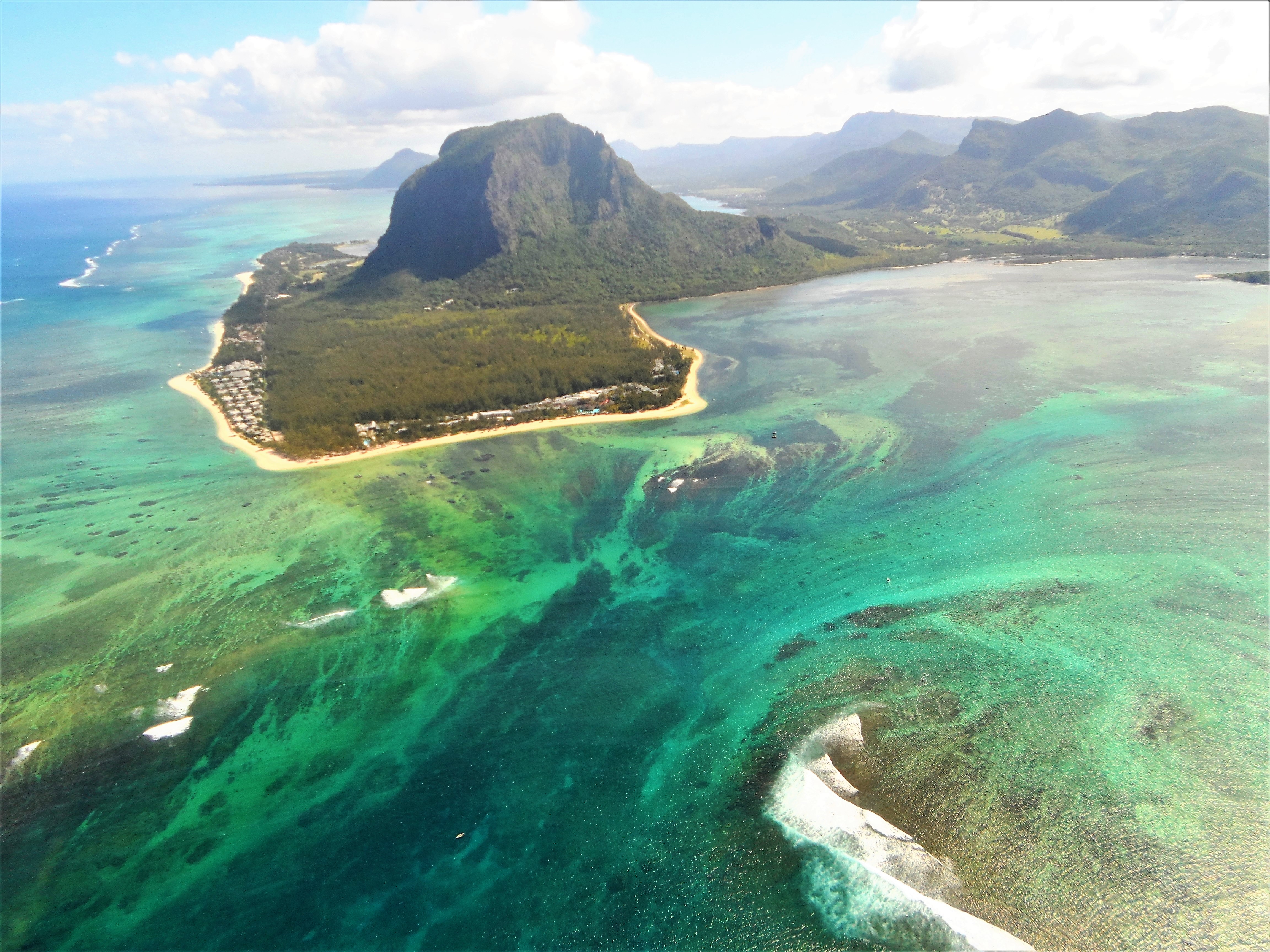
Le Morne Brabant Mountain and Lagoon_jf_lafleur_mauritius.jpg
Le Morne Brabant Mountain and Lagoon

Madagascar – Betsileo and Tanala Rice Terraces

The rice terraces of the Betsileo and Tanala communities form an extraordinary cultural landscape shaped by centuries of knowledge, innovation, and sustainable farming practices. Increasingly intense cyclones, floods, and changing rainfall patterns threaten food security, agrobiodiversity, and traditional livelihoods. The project will support local communities in documenting and applying traditional knowledge related to soil conservation, water management, and climate adaptation.

Implementing Partner: Jeunes Actifs pour le Développement Durable (JADD), working with local authorities and communities.
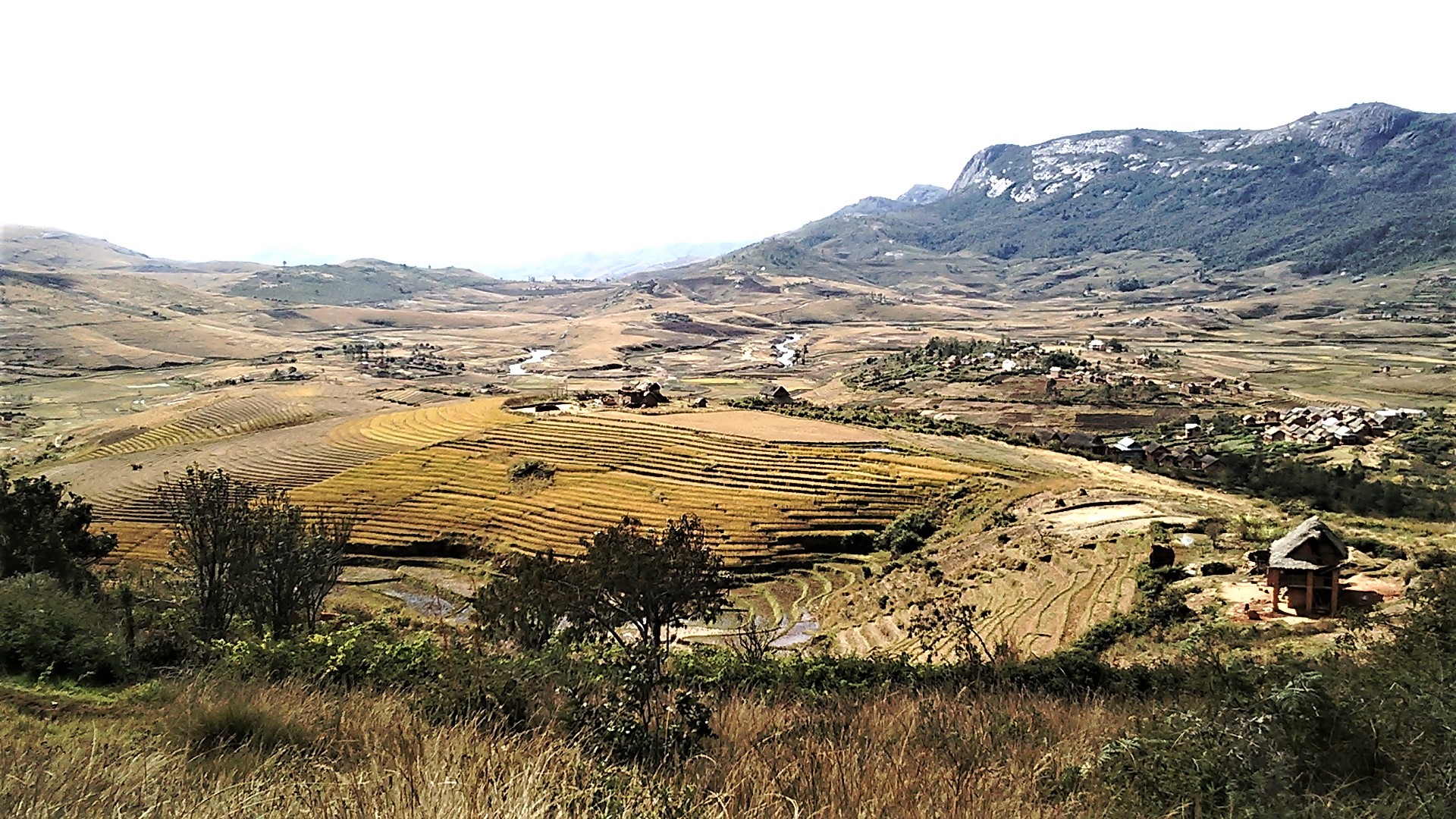
Madagascar – Betsileo and Tanala Rice Terraces

Heritage as a Driver of Climate Action

Over the next 30 months, ASILI will support site teams in conducting climate and disaster risk assessments, documenting traditional and Indigenous knowledge systems, developing site-specific climate action plans, implementing locally led adaptation measures, and strengthening livelihoods linked to heritage conservation. Each participating site will receive a seed grant to implement field-based actions tailored to local needs and priorities.

By bridging scientific knowledge and community experience and cultural practices, the project aims to demonstrate that heritage is not merely a victim of climate change – it is also part of the solution. Through improved disaster preparedness, climate adaptation, livelihood diversification, and knowledge sharing, ASILI will contribute to safeguarding heritage while advancing resilience, peacebuilding, and sustainable development across Africa.

The ASILI project aligns with the ICCROM Strategic Plan and its CARE vision to Conserve, Activate and Recognize Heritage in all its forms, particularly its Strategic Direction 2, Activate heritage to accelerate positive change and sustainable socio-economic growth. The initiative will be delivered through ICCROM's First Aid and Resilience for Cultural Heritage in Times of Crisis (FAR) programme delivery mechanism. It advances ICCROM’s commitment to activating cultural heritage as a catalyst for durable climate solutions by strengthening the capacity of communities and heritage professionals to integrate cultural resources into climate adaptation, risk reduction, and resilience-building efforts.

Funded by ALIPH and implemented by ICCROM and its partners, ASILI contributes to a growing global movement that places cultural heritage at the heart of climate adaptation, as reflected in Target 9 (g) of the Global Goal on Adaptation (GGA), demonstrating how heritage, traditional knowledge and community stewardship can contribute to long-term environmental resilience, social cohesion, and sustainable development.
ASILI - ICCROM and Aliph project

ASILI: An Iteration of ICCROM's Net Zero – Heritage for Climate Action in Africa is a 30-month initiative that will strengthen capacities and scale up heritage-based climate action across four culturally significant sites in Africa. 

Programmi

  • First Aid and Resilience for Cultural Heritage in Times of Crisis (FAR)

Regioni

  • Africa

Condividi

Subscribe to stay updated on the heritage field Join us

Centro internazionale di studi
per la conservazione ed il
restauro dei beni culturali
Via di San Michele 13 – Rome, Italy
tel: (+39) 06.585-531 / fax: (+39) 06.585-53349 iccrom@iccrom.org

Main navigation

  • Chi siamo
    • Panoramica
    • Stati Membri
    • Informazioni aziendali
    • Partenariato
  • Cosa facciamo
    • Programmi
    • Courses
    • Ricerca
    • Servizi di consulenza
  • Notizie ed Eventi
    • Notizie
    • Eventi
    • Per la stampa
    • Blog
    • I visitatori
  • Risorse
    • Pubblicazioni
    • Multimedia
    • Classifieds
    • Risorsa del mese
    • Biblioteca
    • Archivio dell'ICCROM
  • Partecipare
    • Borse di studio
    • Stage presso l' ICCROM
    • Lavora con noi
    • Signup
Via di San Michele 13 - Rome, Italy Tel: (+39) 06.585-531 Fax:(+39) 06.585-53349
© 2026

Social Share

  • Facebook
  • Instagram
  • Twitter
  • LinkedIn
  • Youtube
  • RSS

Privacy

  • Cookies Policy
  • Privacy Policy
  • Social Media Policy
© 2026 ICCROM