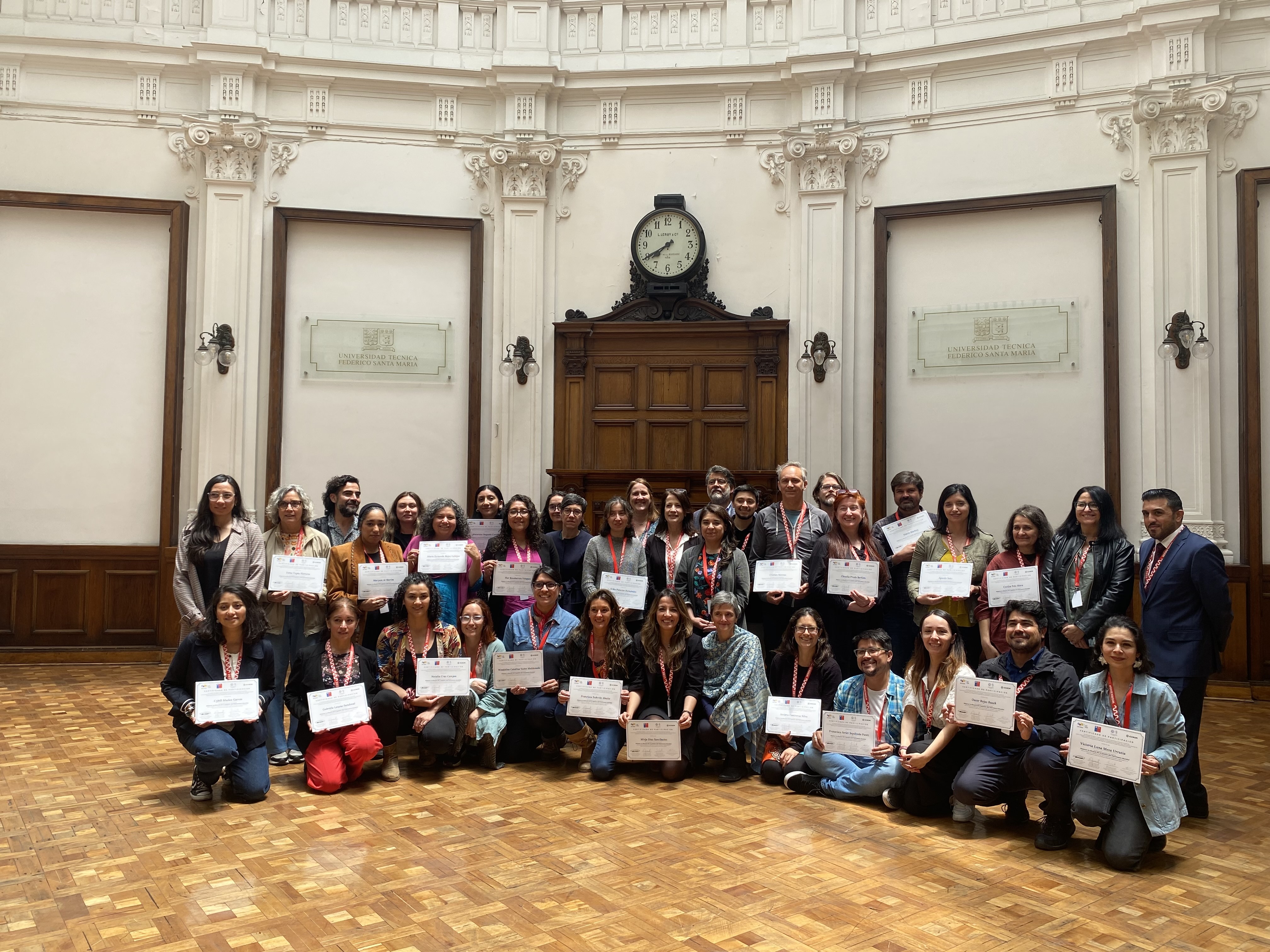
Valparaíso, Chile – 24–28 November 2025
Valparaíso, Chile, hosted a five-day international workshop on Enhancing the Effectiveness of World Heritage Management, convening heritage professionals for in-depth exchange and practical learning aimed at strengthening the management of World Heritage properties and other heritage places.
Highlighting the strategic importance of the initiative, ICCROM’s Director-General Aruna Francesca Maria Gujral underscored the long-term value of capacity building and collaboration. “Capacity building and peer exchange are fundamental to conserving and protecting World Heritage today,” said the Director-General. “Investing in people’s skills and knowledge is one of the most strategic long-term investments we can make. Valparaíso – a long-standing ICCROM partner and early contributor to the Enhancing Our Heritage 2.0 Toolkit (EOH 2.0) – provides an exceptional urban context for this work.”
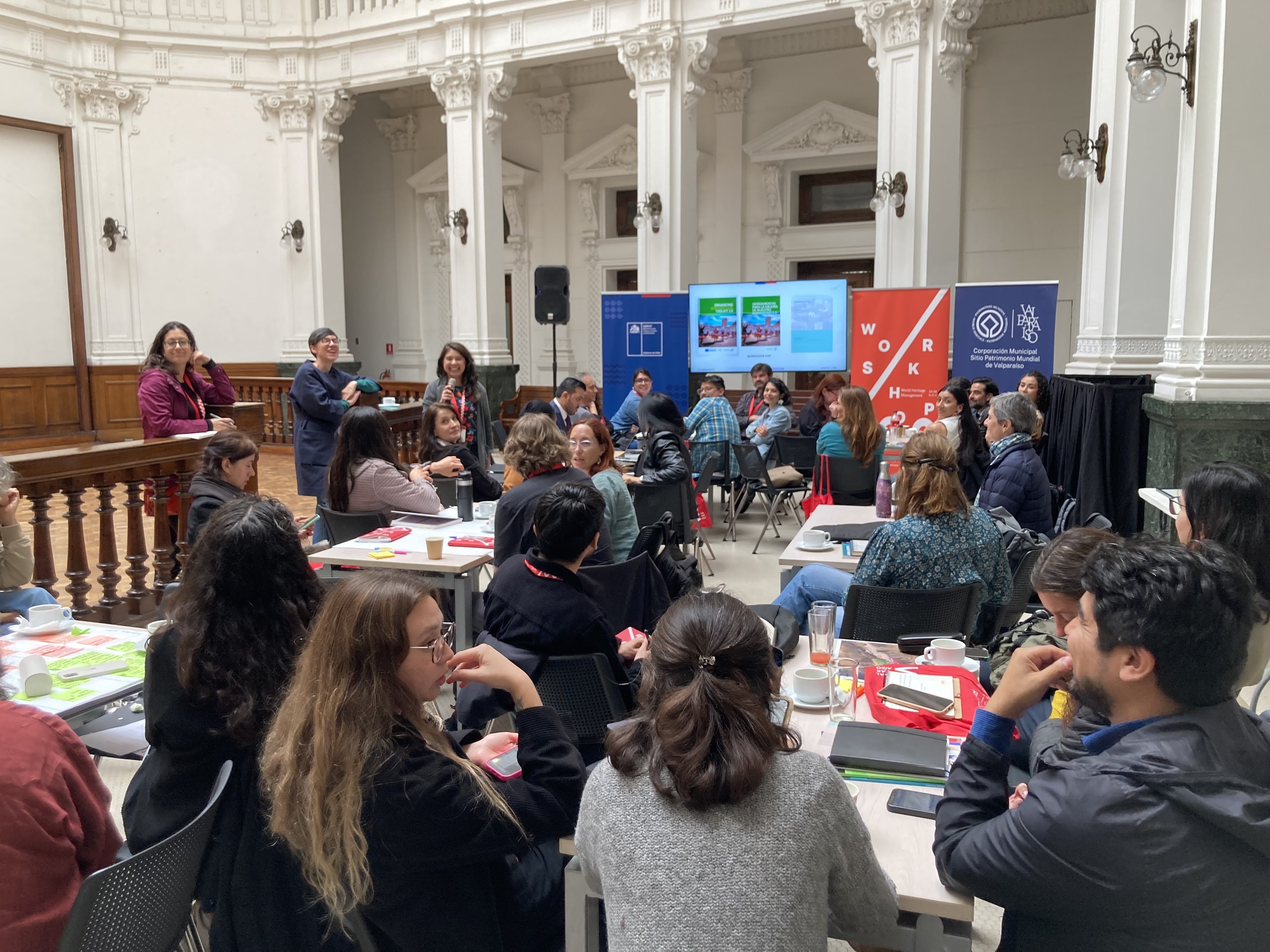
Organized by Qatar Museums and ICCROM, through its World Heritage Leadership (WHL) Programme with IUCN, Chile’s National Centre for World Heritage Sites, the World Heritage Site Municipal Corporation of Valparaíso, in cooperation with Trama Cultura, the workshop took place within the framework of Years of Culture 2025, an annual initiative of Qatar Museums, focusing on fostering cultural connections between Qatar, Argentina, and Chile.
Strengthening management effectiveness through practical learning
The workshop explored how management effectiveness and impact assessment can reinforce the protection and management of World Heritage properties. Using the EOH 2.0 and the forthcoming Managing World Heritage manual, participants reviewed the core elements of heritage management systems, learning to assess performance, identify strengths and weaknesses, and prioritize improvements.
“For us, as the National Cultural Heritage Service, this workshop is a concrete opportunity to strengthen the work we do every day alongside the teams that manage and protect Chile's heritage sites,” said Nélida Pozo, Director of Chile’s National Cultural Heritage Service. “This meeting allows us to pool our capabilities, update our tools, and plan new forms of collaboration, always with the conviction that heritage protection is a collective task that requires coordination, technical knowledge, and a vision for the future.”
Understanding and applying impact assessments
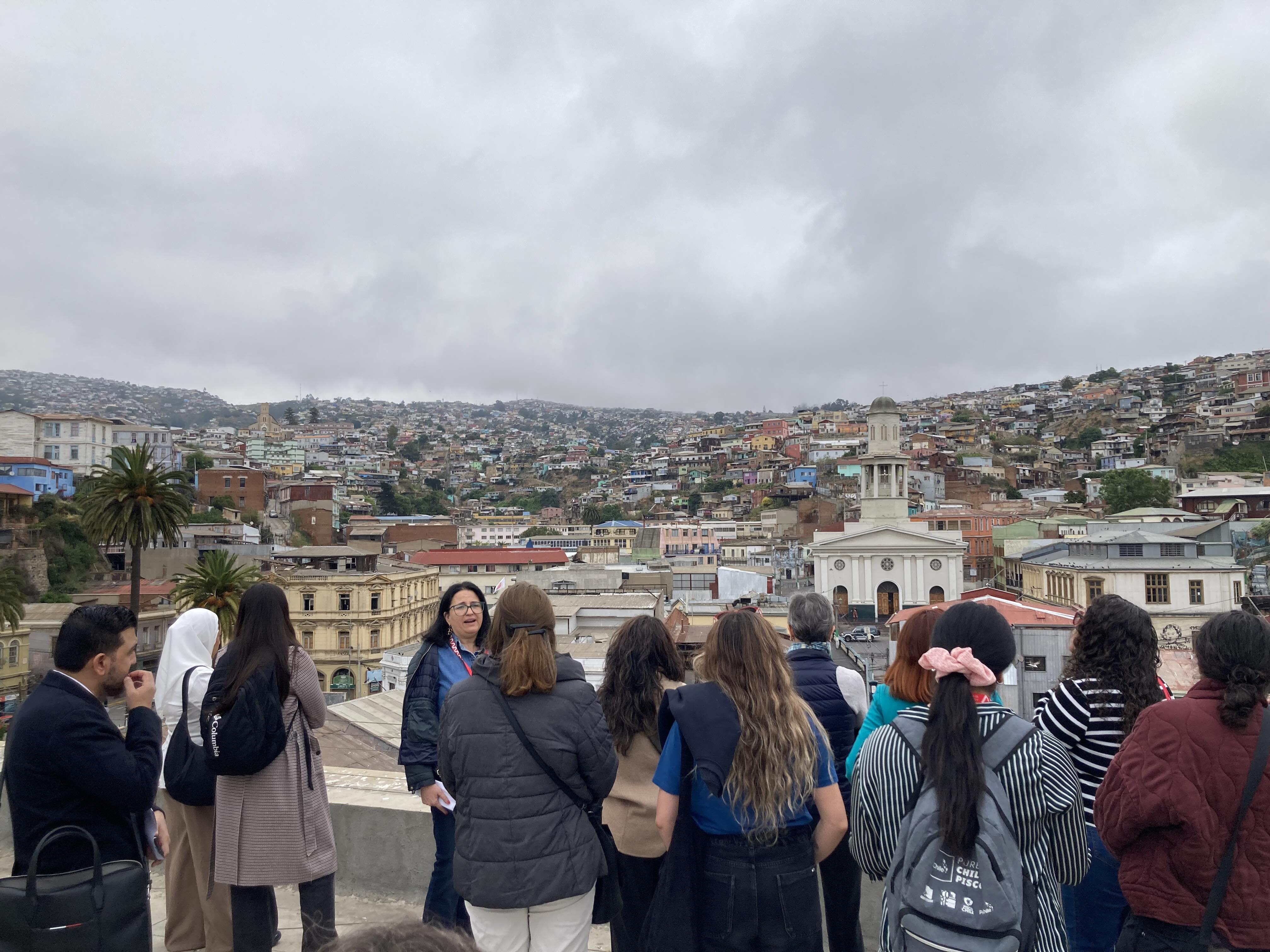
The workshop also introduced the Guidance and Toolkit for Impact Assessments in a World Heritage Context, outlining a step-by-step approach to evaluating the potential effects of projects on heritage values. Participants applied the methodology to a fictitious project proposal, gaining hands-on experience and insight into its real-world relevance.
By combining EOH 2.0 with the Guidance and Toolkit, the course enabled participants to translate theory into practice. Discussions also highlighted how these resources can strengthen management planning, heritage protection and effective implementation.
Participants further tested the applicability of the two resources to five World Heritage properties in Chile: Churches of Chiloé, Humberstone and Santa Laura Saltpeter Works, Rapa Nui National Park, Settlement and Artificial Mummification of the Chinchorro Culture in the Arica and Parinacota Region, and Sewell Mining Town.
Valparaíso as a shared case study
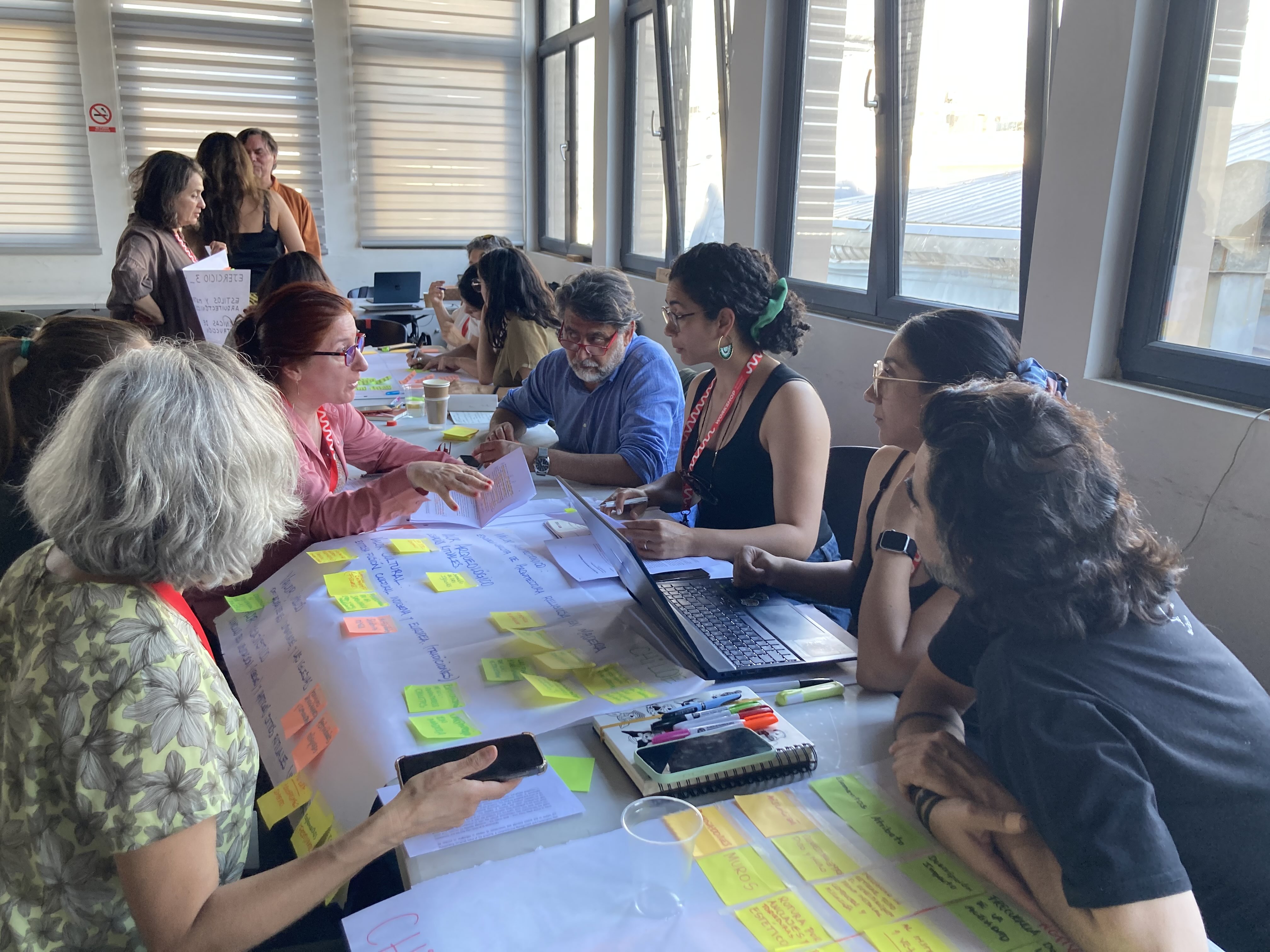
The Historic Quarter of the Seaport City of Valparaíso, which served as the shared case study for the workshop, participated in the pilot testing of EOH 2.0 and has recently conducted an impact assessment for a port development project.
“Valparaíso is a city with a deep identity, and protecting its heritage is a task that requires real collaboration,” said Camila Nieto, Mayor of Valparaíso. “Recent disasters have reminded us of the urgency of moving forward more quickly, and that is why we deeply appreciate the support of Qatar, ICCROM, and all the institutions present. This international cooperation shows us that by working together, it is possible to restore, care for, and promote our World Heritage site.”
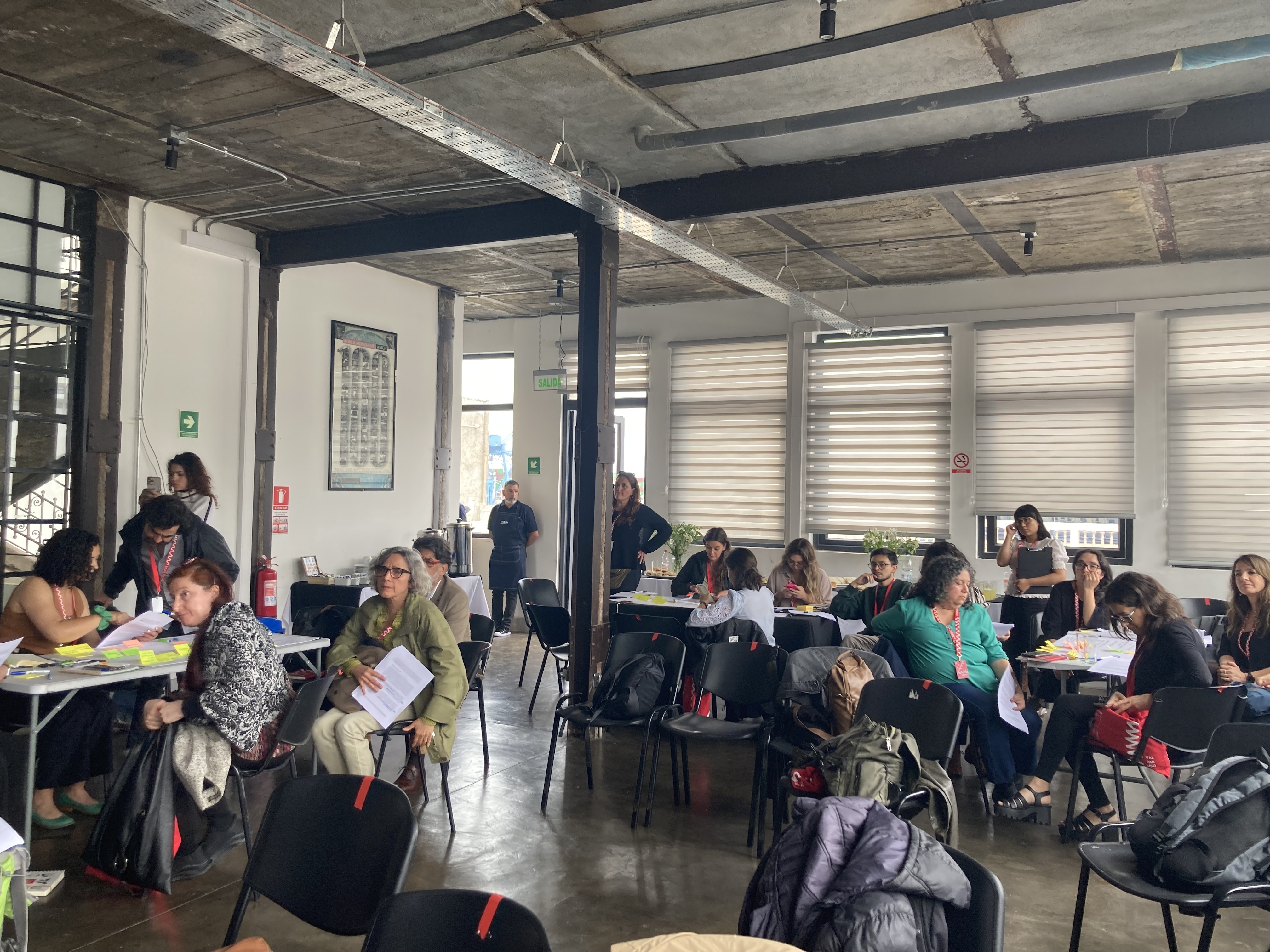
Exchange and collaboration between Chile and Qatar
For the 29 participants – 28 representing World Heritage properties across Chile and 1 from Qatar – the workshop provided a platform for national and international exchange, enabling reflection on approaches to heritage management.
“This collaboration with Chile reflects a shared responsibility for protecting cultural heritage,” said Abdullatif A-Jasmi, Director of Heritage Protection, Qatar Museums. “Through Years of Culture, we seek to create spaces for technical dialogue and mutual learning between institutions. This workshop is an opportunity to strengthen professional networks and enrich the work that Chile is already doing in Valparaíso.”
The week also strengthened cooperation among Chilean institutions, reinforcing local commitment to enhancing heritage governance and site management.
“In line with our commitment to strengthening the management of the Valparaíso World Heritage Site, as well as all heritage sites in Chile, we organized this workshop, which brought together more than 30 professionals from Chile, Europe, and Qatar,” said Macarena Carroza, Executive Director of the World Heritage Site Municipal Corporation of Valparaíso. “This activity is a unique opportunity to refine management tools, heritage impact assessment, and strategic planning. In doing so, we are moving towards higher and more up-to-date standards, integrating contemporary visions promoted by such relevant organizations as ICCROM.”
The workshop was conducted in Spanish with English translation, ensuring a fully participatory environment for all participants.